

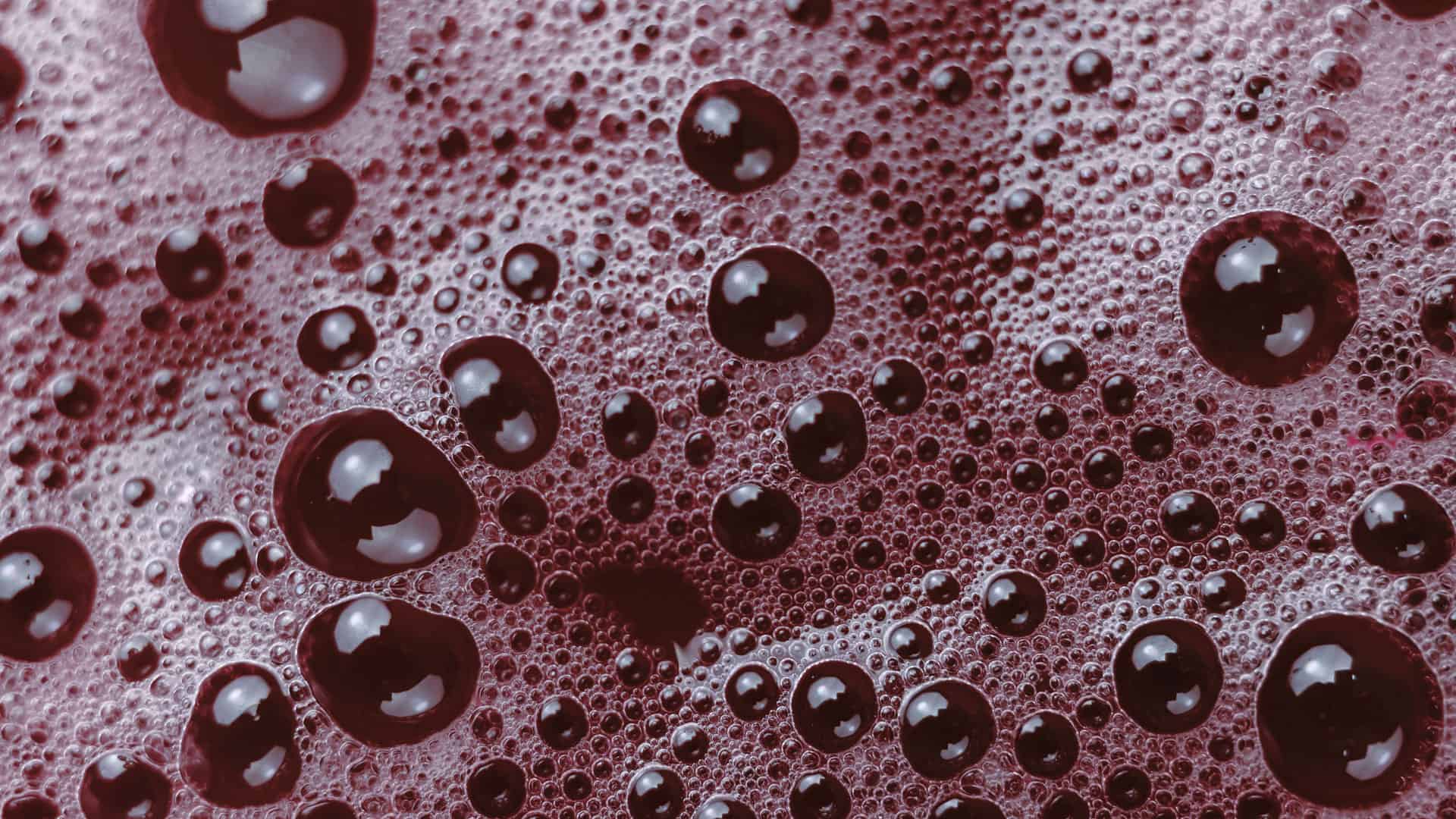
Secondary fermentation, also known as malolactic fermentation, is an important process in wine production. It takes place after alcoholic fermentation, in which the yeasts convert the sugar in the must into alcohol. Secondary fermentation is mandatory for red wines. It is not normally used for white wines, as it is the malic acid in particular that gives white wines their freshness and effervescence. The term secondary fermentation or second fermentation can also refer to fermentation in the bottle during the production of champagne. And even wine that has already been bottled and still contains fermentable sugar and yeasts can undergo a second fermentation, the so-called but then undesirable secondary fermentation.

Secondary fermentation is carried out to improve the taste, aromas and stability of the wine. During secondary fermentation in red wine, malic acid, which is present in the grapes, and to a lesser extent other acids such as tartaric acid, are converted into milder lactic acid through bacterial activity. The bacteria responsible for this process are known as lactic acid bacteria.
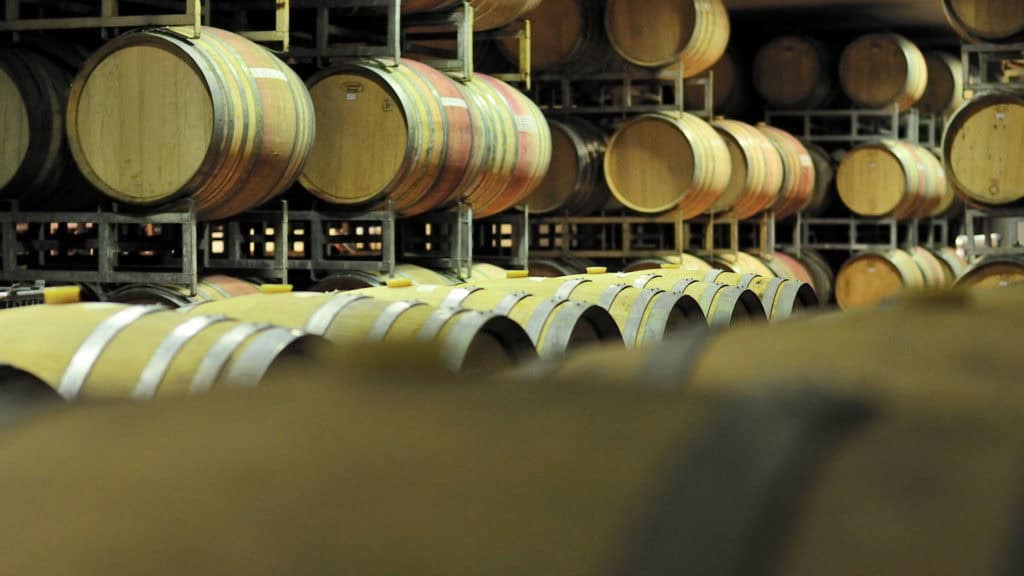
Secondary fermentation can be induced spontaneously or by adding special bacterial cultures. Fermentation usually takes place in barrels or tanks and can last from several weeks to months, depending on the conditions and the desired result.
During secondary fermentation, however, not only the acids mentioned at the beginning are modified, but other changes can also occur in the wine. For example, the bacteria can reduce undesirable compounds that can otherwise cause unpleasant aromas or bitterness. In addition, secondary fermentation can lead to a softer, rounder texture of the wine and improve stability by providing a certain protective barrier against unwanted microbial activity.