

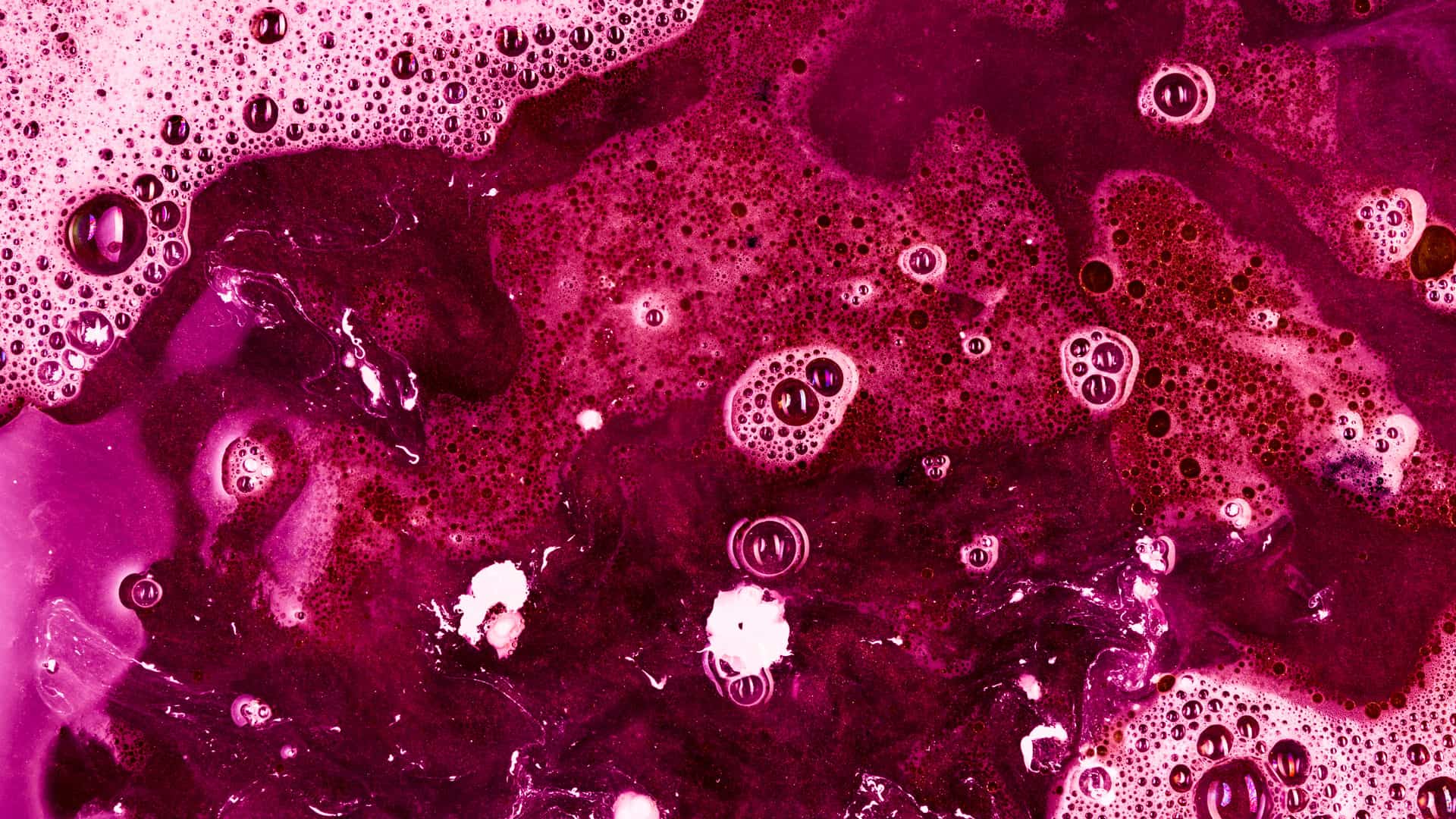
The oxidative ageing of wine is a process in which the wine is deliberately exposed to oxidative conditions in order to develop specific aromas and flavor profiles. This ageing can take place both during fermentation and during storage and is particularly common with some traditional wine varieties. During oxidative ageing, the wine interacts with oxygen, which is introduced during the ageing process. This contact allows the wine to oxidize slowly and leads to chemical changes. This can produce aromas of nuts, dried fruit, caramel, honey and spices. These aromas give the wine a special complexity and depth.

To promote oxidative ageing, the wine is often stored in special containers such as oak barrels or glass flasks that allow a certain amount of oxygen to enter. These containers allow the wine to gradually react with oxygen and develop the desired aromas. For some wines, a veil of yeast or “flor” is also created on the surface of the wine, which forms a protective layer and controls the oxidative process. Oxidative ageing is often used for certain types of wine, such as sherry, Madeira and some port wines. These wines are deliberately produced oxidatively to achieve their characteristic style and aromas. However, oxidative ageing can also be used for other types of wine to achieve specific sensory profiles.
It is important to note that oxidative ageing is not suitable for all wines. Some types of wine, especially those that are supposed to be fresh and fruity, benefit from reduced contact with oxygen to preserve their freshness and vibrancy. In this case, we are talking about so-called reductive ageing. This is a process in which the wine’s contact with oxygen is minimized in order to preserve the aforementioned fresh, fruity aromas and prevent oxidation. In contrast to oxidative ageing, reductive ageing aims to preserve the freshness and primary aromas of the wine.
During reductive maturation, various measures are taken to minimize oxygen contact. The use of airtight containers such as stainless steel tanks or inert gas (such as nitrogen or carbon dioxide) helps to prevent the entry of oxygen. In addition, special protective layers such as sulphur dioxide or special enzymes are sometimes used to further inhibit the oxidative process.
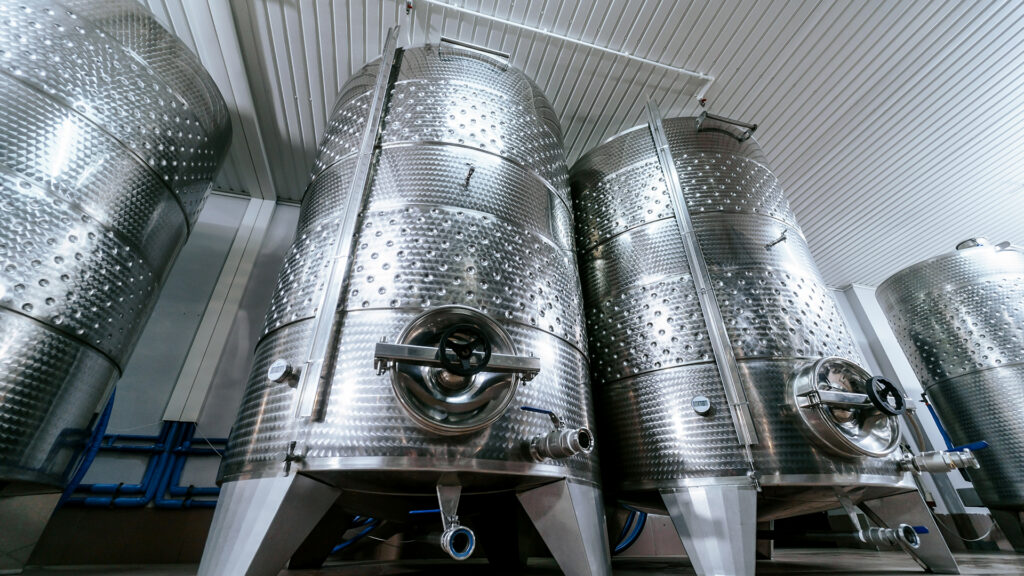
Reductive vinification is particularly suitable for wines that need to retain their freshness and fruity character. White wines, especially those made from aromatic varieties such as Sauvignon Blanc or Riesling, benefit from this method as it allows them to retain their lively aromas of citrus fruits, exotic fruits and flowers. Young, fresh red wines can also benefit from reductive ageing to emphasize their fruity berry aromas.
In addition, reductive ageing is often used in the production of sparkling wines. During the second fermentation in the bottle, as is the case with the traditional champagne method, the wine is sealed under pressure. This minimizes oxygen contact and preserves the fresh, fruity aromas of the wine. However, reductive ageing can also bring its challenges. If the control of oxygen levels is too tight, the wine can develop an undesirable sulfurous odor or taste, known as a reductive fault. It is therefore crucial to find the right balance between reductive protection and preserving the aromatic intensity of the wine.