

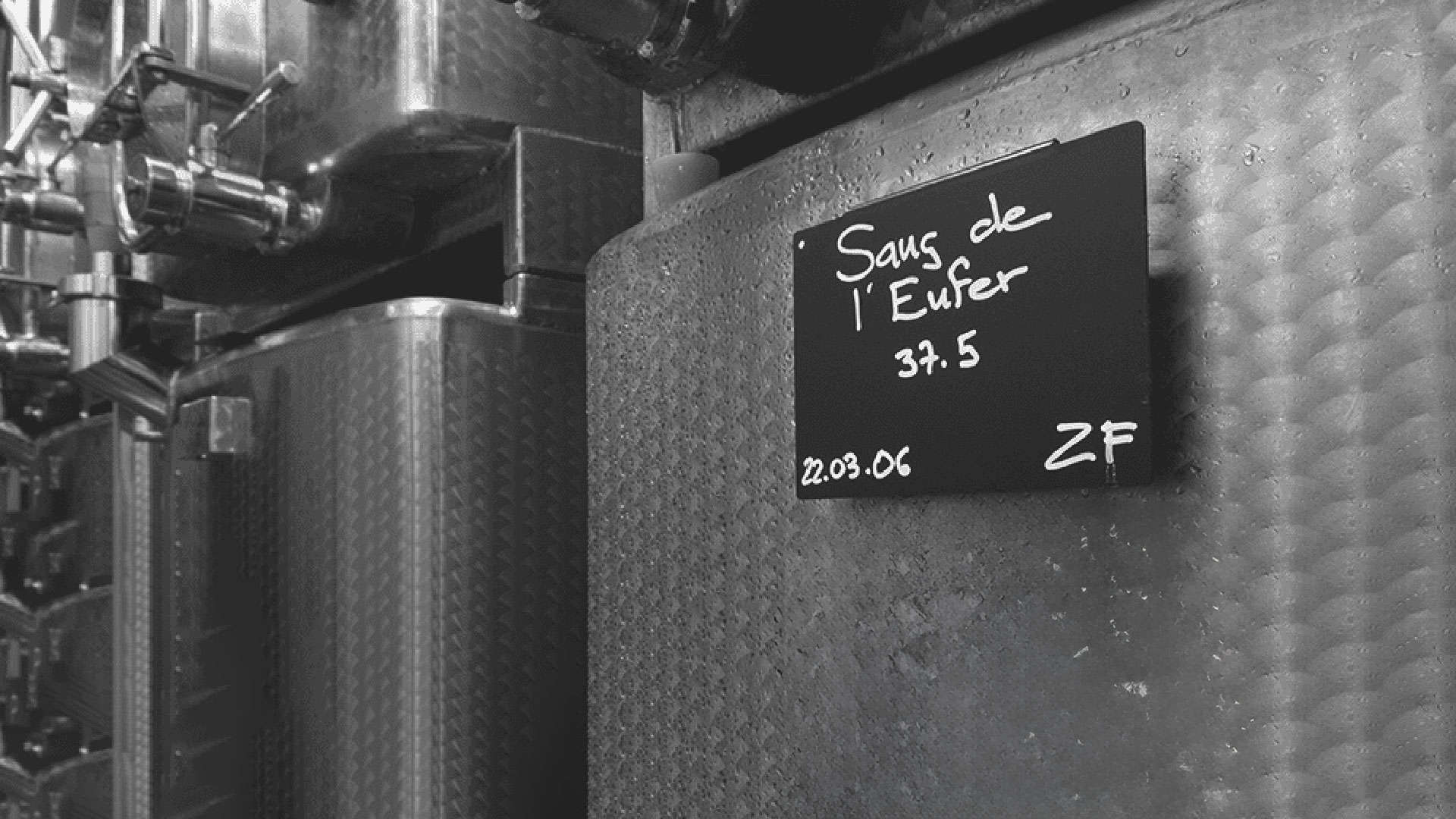
Tank fermentation plays a crucial role in the production of sparkling wine. This refers to the fermentation process that takes place in a closed tank. This results in the formation of carbon dioxide and gives the sparkling wine its characteristic effervescent bubbles.
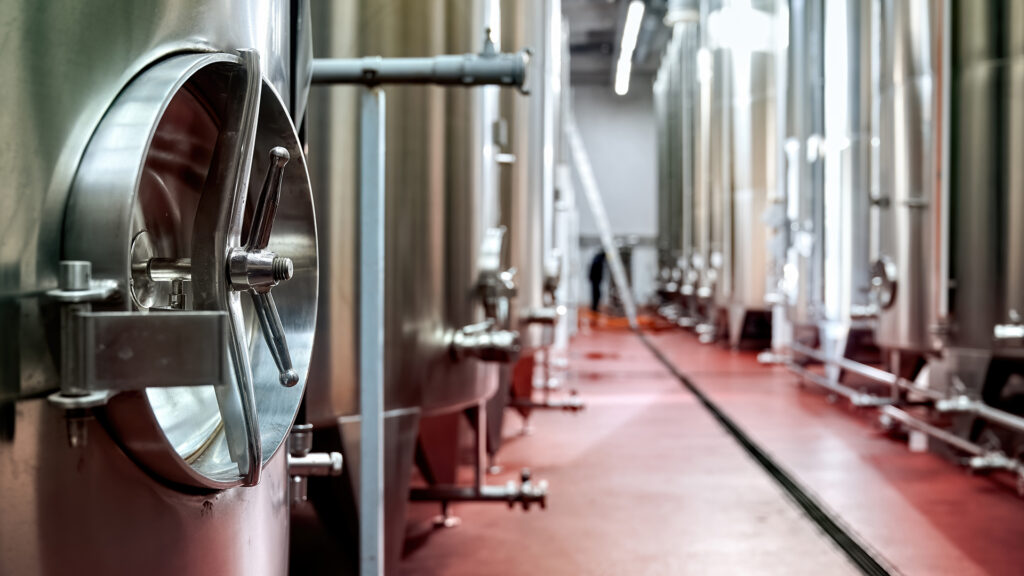
The first step in sparkling wine production is similar to wine production. Grapes are harvested and pressed to extract the grape juice. This juice naturally contains sugar and yeasts, which are responsible for fermentation. The juice is transferred to special pressure tanks made of stainless steel or other suitable materials.
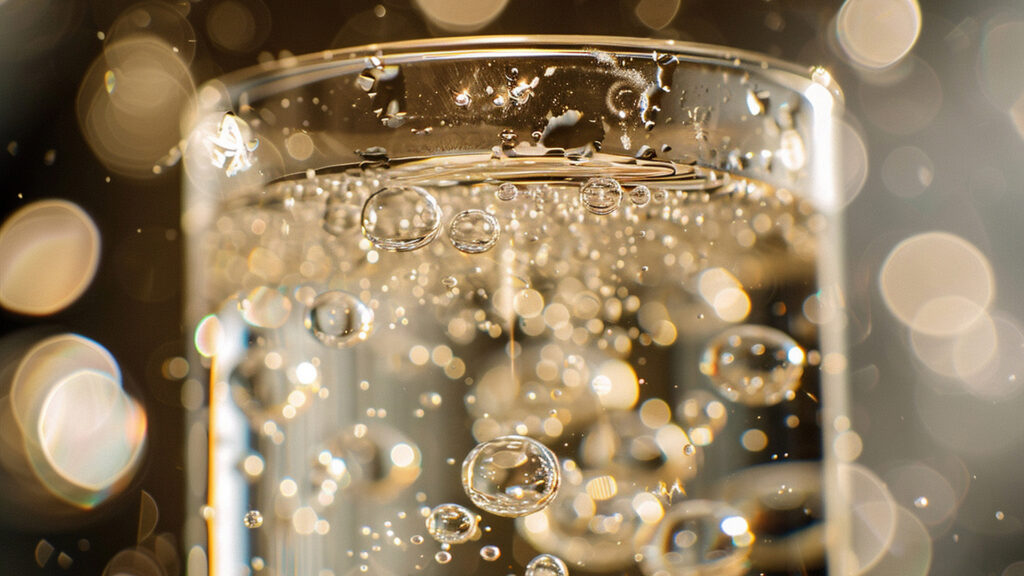
The juice is inoculated with yeasts in the pressure tanks to start the fermentation process. During fermentation, the yeasts consume the sugar in the juice and convert it into alcohol. At the same time, carbon dioxide (CO2) is produced. As the tanks are sealed, the resulting CO2 cannot escape and dissolves in the wine, resulting in a fizzy effect.
The temperature in the tanks is carefully controlled during tank fermentation to achieve the desired characteristics of the sparkling wine. Fermentation normally takes place at cooler temperatures compared to winemaking to allow for slower fermentation and a finer perlage.
After fermentation is complete, the sparkling wine is often stored on its lees for a certain period of time. This storage, known as lees ageing or lees contact, contributes to the development of complex aromas and a fine texture in the sparkling wine. The sparkling wine is finally separated from the yeasts by being filtered or drained.
After tank fermentation and yeast storage, sugar syrup (dosage) can be added to the sparkling wine to round off the taste. The sparkling wine is then bottled and sealed with a cork or crown cap.