

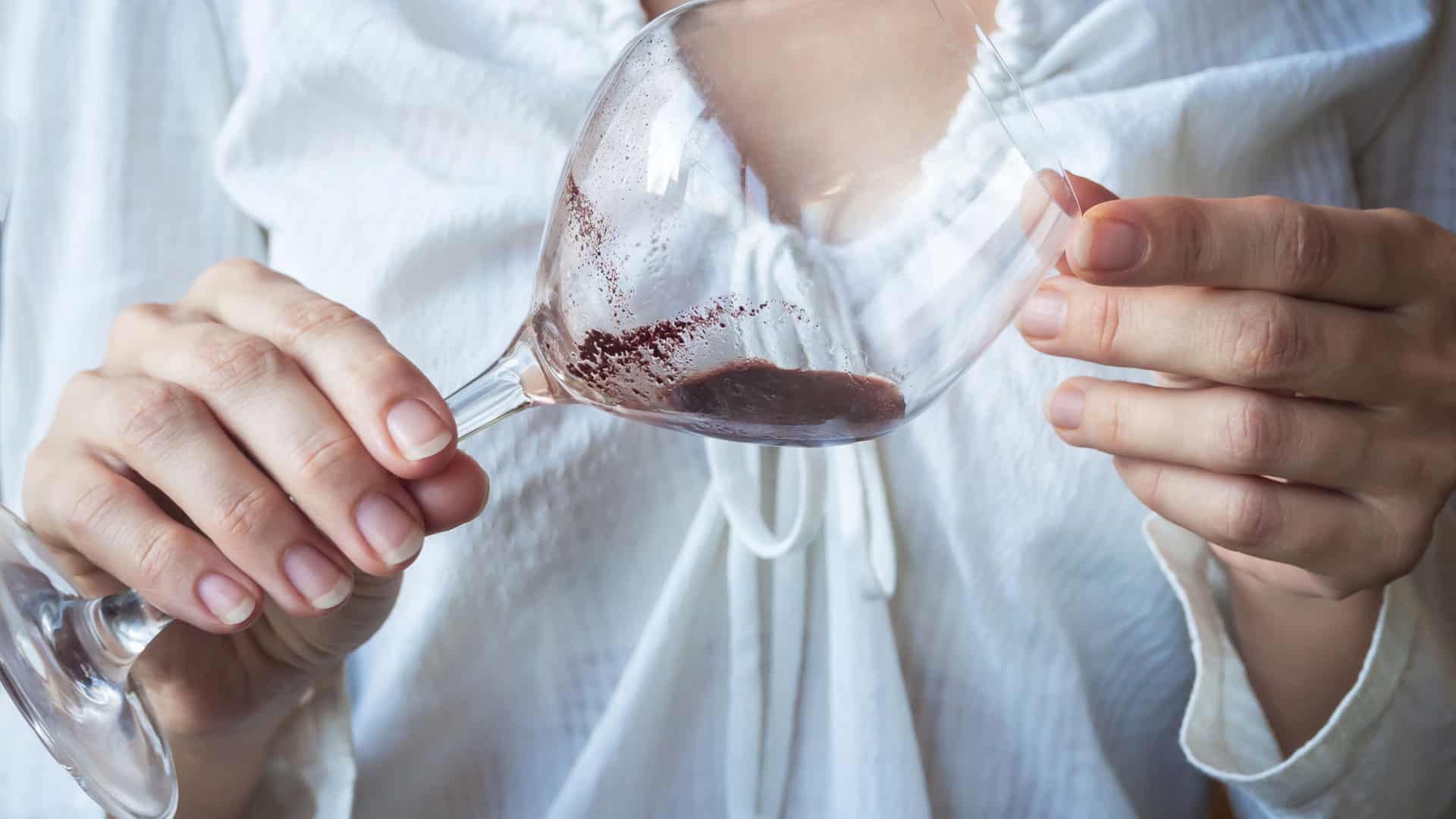
If you happen to find tartrate (from the Latin word tartarus) in your wine glass in the form of small crystals, rods and leaves similar to glass splinters, there is no need to worry. Although tartar is not a precious stone, the little stones sometimes referred to by winegrowers as wine diamonds or wine stars are a sign of the excellent quality of the wine sparkling in your glass. And wine stone has no influence whatsoever on the taste of the wine itself.
Rather, tartar indicates that the chosen wine is rich in minerals and fruit acid. If the grapes can ripen on the vine for a long time, they also have more time to absorb more minerals from the soil. If these then come into contact with the tartaric acid, there is a high probability that tartar will gradually form. This happens during fermentation, and the temperature prevailing during fermentation also has a significant influence on the formation of tartar. The crystals only form at low temperatures. If fermentation is therefore carried out slowly at lower temperatures and over a longer period of time, the result is that fewer tartrate crystals will end up in the barrel, but later in the bottle.
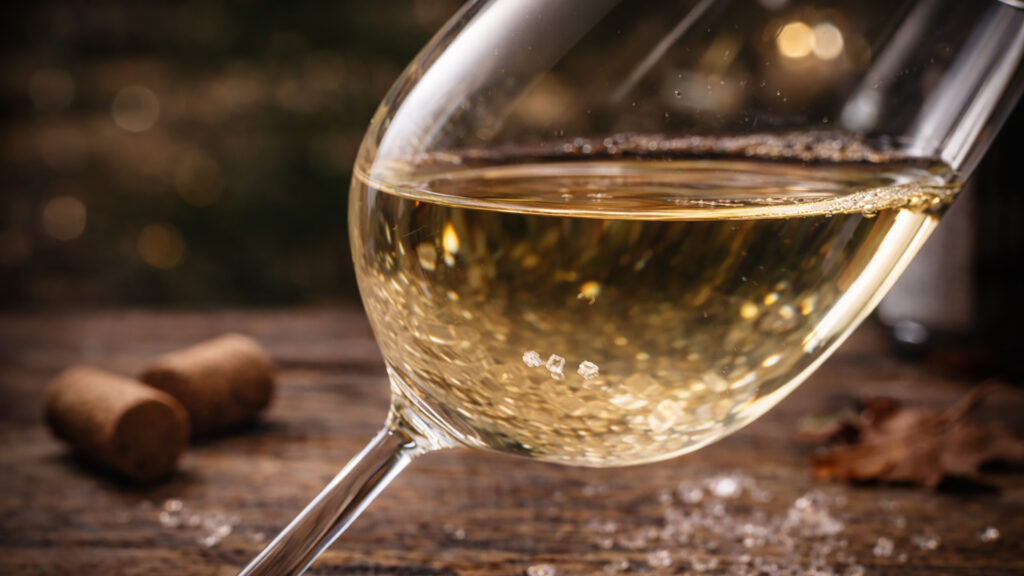
Strictly speaking, tartaric acid is a special mineral salt that occurs in tartaric acid as potassium hydrogen tartrate and, to a lesser extent, as calcium tartrate. As this is a natural quality product, you can even safely suck on these crystals, which look like small pieces of rock candy. However, the crystals are naturally not sweet but rather sour in taste. They initially taste like sand and dissolve with saliva over time without leaving any residue.