

Residual sweetness describes the amount of natural or added sugar in the wine. It is the amount of unfermented sugar that remains in the wine after the fermentation process.
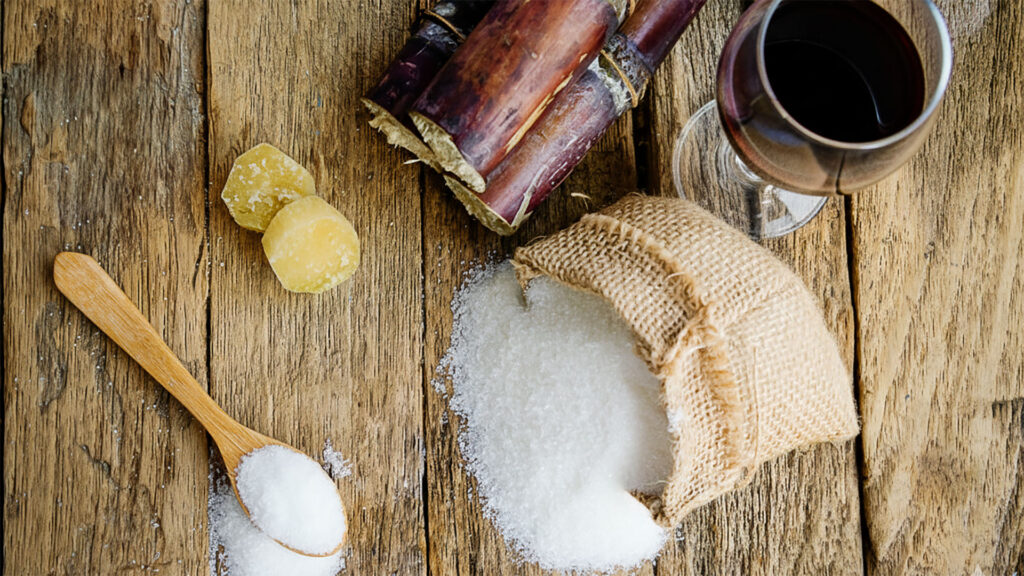
The residual sweetness of a wine can vary from dry to sweet and has a significant influence on the taste and perception of the wine. Dry wines contain only minimal residual sweetness, while semi-dry, sweet and sweet wines have a higher sugar content.
Residual sweetness in wine occurs when the yeast cannot convert all of the sugar into alcohol during the fermentation process. This can be due to various factors, such as an early end to fermentation, a special winemaking technique or the addition of added sugar.
The perception of residual sweetness in wine is influenced by the tartaric acid content and other taste components such as tannins and aromas. A balanced acidity can help a wine with residual sweetness to appear fresh and lively and harmonize the taste experience.
When tasting a wine with residual sweetness, different taste profiles can occur. Dry wines have little to no residual sweetness and present themselves with a crisp acidity and a dry mouthfeel. Semi-dry wines have a slight residual sweetness, which makes the taste profile somewhat rounder and softer. Sweet and sweet wines have a clearly perceptible residual sweetness, which gives them a full-bodied and sweet character.
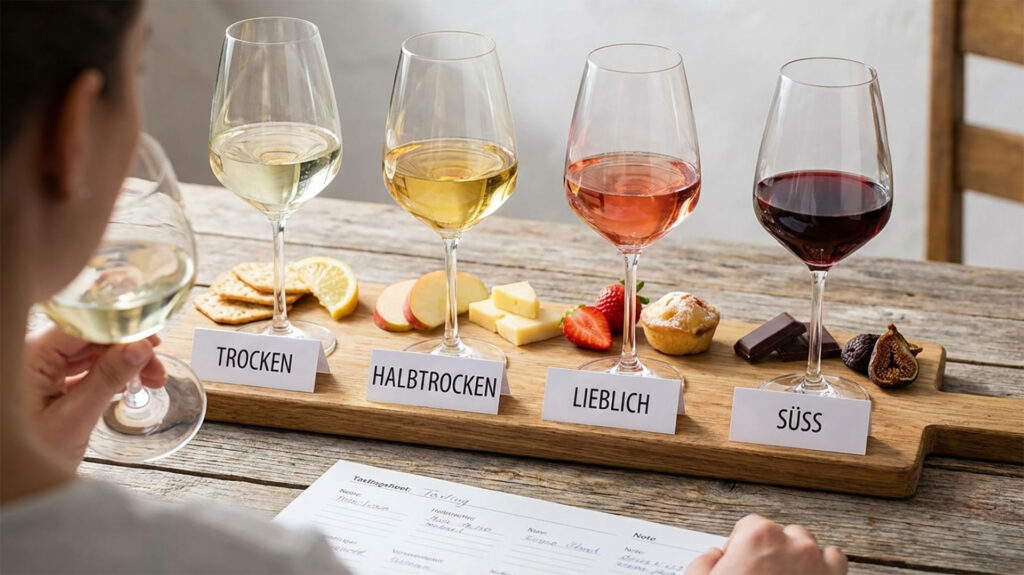
Residual sweetness can occur in different styles of wine, including white wine, red wine, rosé and sparkling wine. Some grape varieties are known to produce natural residual sweetness, while others are made sweeter by the addition of added sugar during the production process.
Residual sweetness is one of the most important components of the flavor profile of wine. It contributes to the diversity and complexity of wine styles and allows winemakers to offer a wide range of flavors to suit individual consumer preferences. Knowing the residual sweetness of a wine can help to select the right wine for personal taste and enrich the enjoyment experience.
How residual sugar shapes the taste of sweet wine – discover now