

Judging wine made easy
Judging wine correctly certainly requires a little experience, but it is not a closed book that has to remain closed forever. And as with everything in life, practice makes perfect when it comes to judging wine. And judging wine is not only more fun in company, but can also be much more inspiring. So why not organize an informal get-together among friends and select a few bottles of wine to taste and evaluate together. If you’re new to this terrain, not only will you gain new insights, but you’re also guaranteed good conversation, an enjoyable and entertaining evening and maybe even discover a new love or two. We are, of course, talking about affection for a new favorite drop.

There are two different levels to consider when assessing wine correctly and objectively. On the one hand, there are the four evaluation criteria of appearance, smell, taste and overall impression of the wine. Secondly, an objective evaluation system is required. In Europe, the so-called 20-point system is the most widely used.
And if you want to be even more precise when judging wine, you can also take the following recommendations to heart: The human sensory organs are still in a “fresh” state during the morning and are therefore most receptive to smells and tastes. It is also obvious that a cold or excessive perfume impairs the ability to smell, just as hot or spicy food, coffee, sour fruit or tobacco have a lasting negative effect on the sense of taste. The environment is also not unimportant when it comes to judging a wine. The room should be neither too warm nor too cold, the ideal room temperature is 20° and good lighting should be ensured. Ideally, the table at which you will be judging wine should be white in color, against which the wine will stand out in the greatest contrast. And if you then follow the rule of thumb of dry before sweet, young before old and small before large wines and have paper and pen ready, you can sharpen your senses once again and start judging wine.
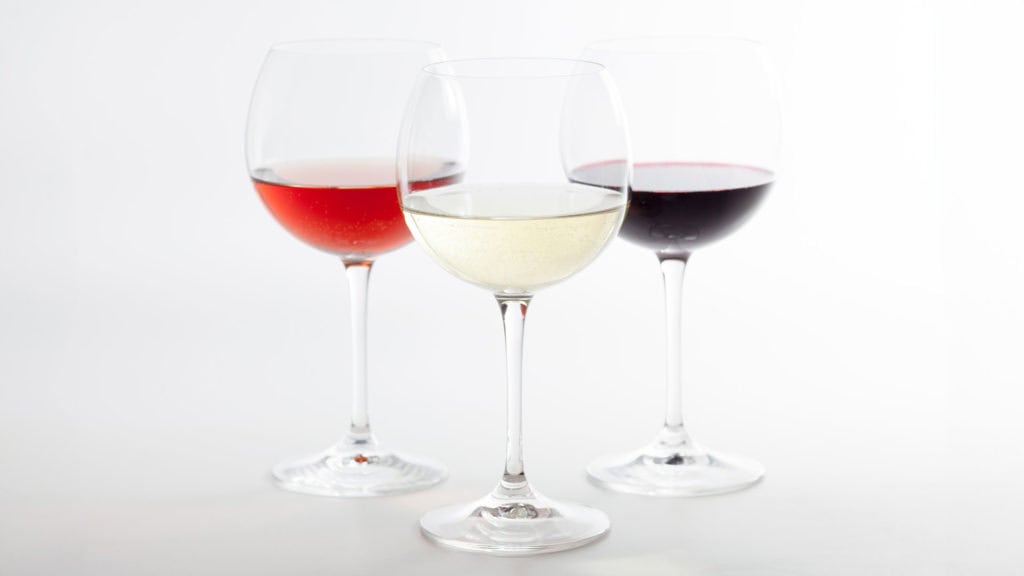
First assess the appearance, subdivided according to color and clarity/purity. You can award up to two points for each criterion. Then use your nose. Judge the smell. Up to four points are possible. Finally, and some might say “finally”, the wine can be tasted. You can award up to seven points for the taste. Last but not least, you have to assess the overall impression of the wine. This is about harmony, finesse and the finish. A maximum of five points is awarded. The detailed evaluation scheme can be found in the overview below.

When you evaluate the wine, you then add up the points awarded and know immediately whether it is a good, very good, excellent or even exceptional wine, or perhaps just a satisfactory or even faulty wine.
The criteria of the 20-point evaluation scheme:
Color, max. 2 points:
- Faulty, unsightly: 0 points
- Appealing: 1 point
- particularly beautiful color: 2 points
Clarity and purity, max. 2 points:
- cloudy, dusty, dull, lackluster: 0 points
- clear, pure: 1 point
- crystal clear, brilliant: 2 points
Aroma (fragrance, flower, bouquet), max. 4 points:
- no recognizable smell, bad to spoiled: 0 points
- weak, diffuse, restrained: 1 point
- appealing, clean, pure sound: 2 points
- Very good, fragrant, fine: 3 points
- Characteristic, particularly fine and pronounced: 4 points
Taste (body, extract, sweetness, acidity, tannin structure) max. 7 points:
- spoiled, bad: 0 points
- no wine taste, foreign: 1 point
- empty, thin, little expression: 2 points
- straightforward: 3 points
- pure-toned, expressive: 4-5 points
- Full-bodied, aromatic, rich, full of character: 6 points
- stylistic, outstanding, perfect: 7 points
Overall impression (harmony, finesse, finish), max. 5 points:
- inadequate, inharmonious: 0 points
- Short finish, not very harmonious: 1 point
- good overall impression: 2-3 points
- Medium to long finish, balanced, typical, delicate: 4 points
- long finish, very fine, very harmonious, great wine: 5 points
Wines that have received a score of 10 points or less in the assessment are generally considered to be faulty and unpalatable. Wines with a score between 10 and 12 points are classified as unsatisfactory. 12 to 14 points means that you have a good wine in front of you. A rating of 14 to 16 points means a very good wine. Wines that have earned more than 16 points are considered excellent growths, and wines with 18 points or more are considered top quality. Very occasionally, exceptional top quality wines are even awarded a score of 21/20.