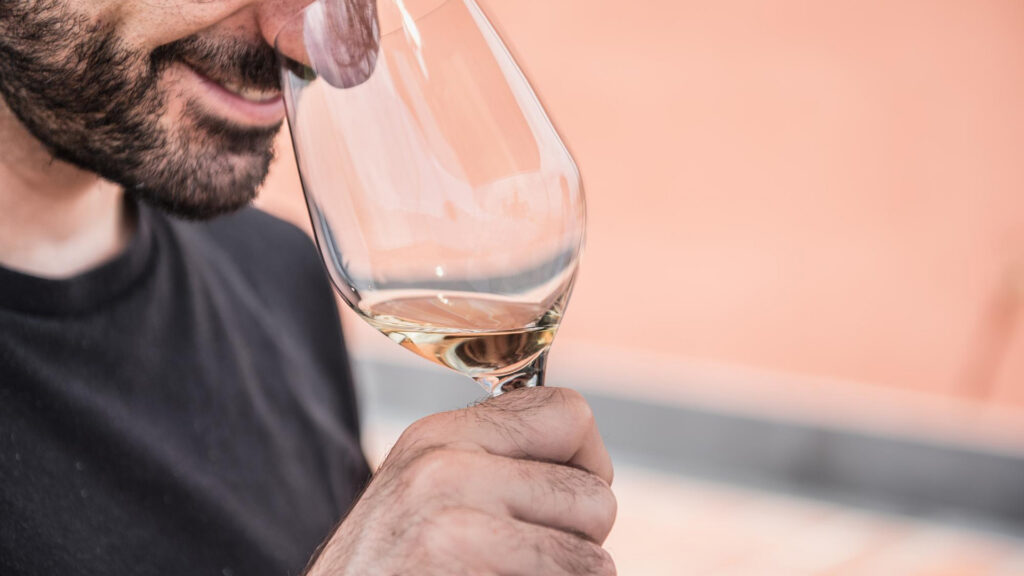

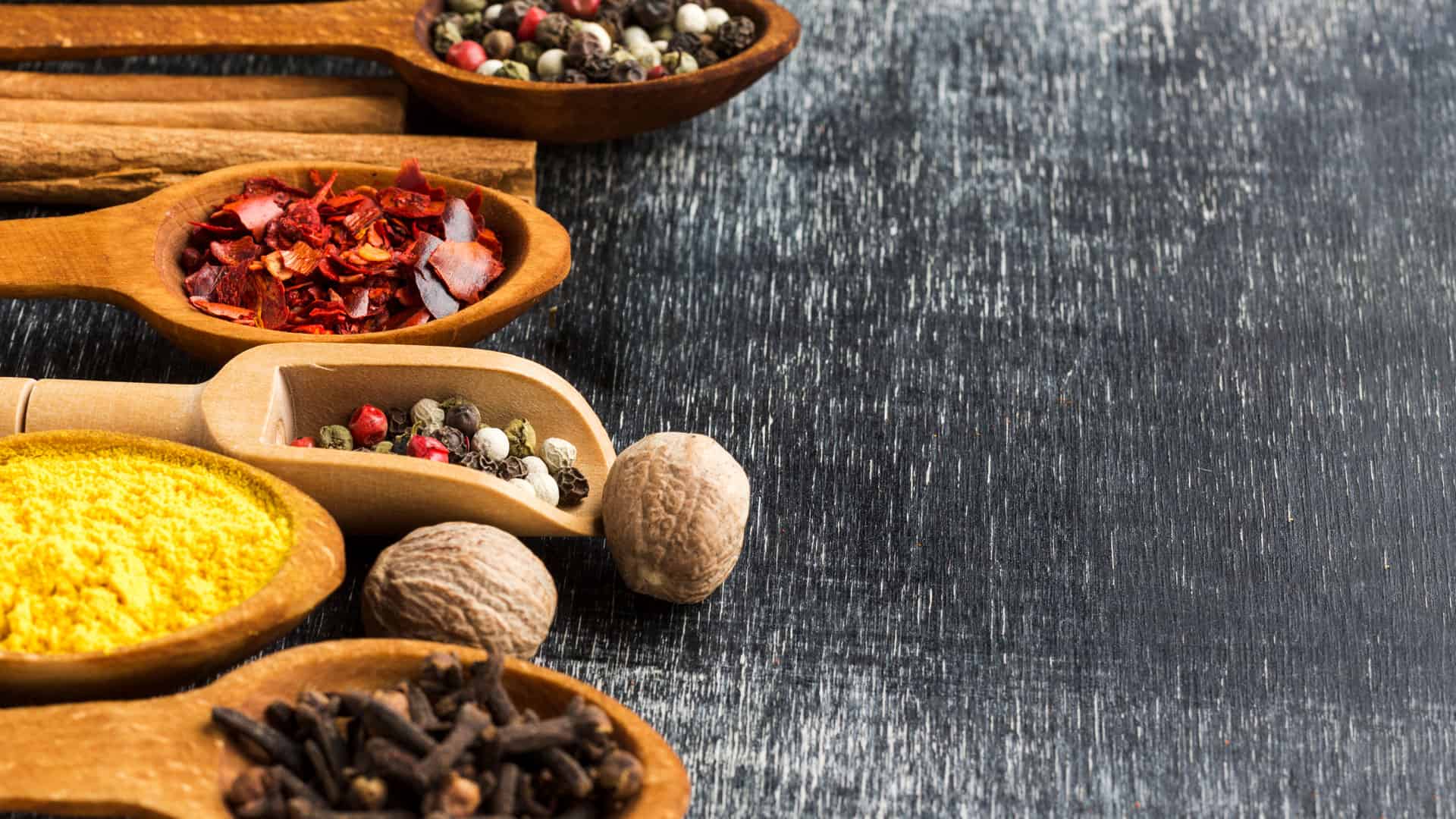
The aromas in wine are an essential part of its flavor and complexity. There are a variety of aromas that can be found in wine, but in general they can be divided into three main categories: Primary aromas, secondary aromas and tertiary aromas.
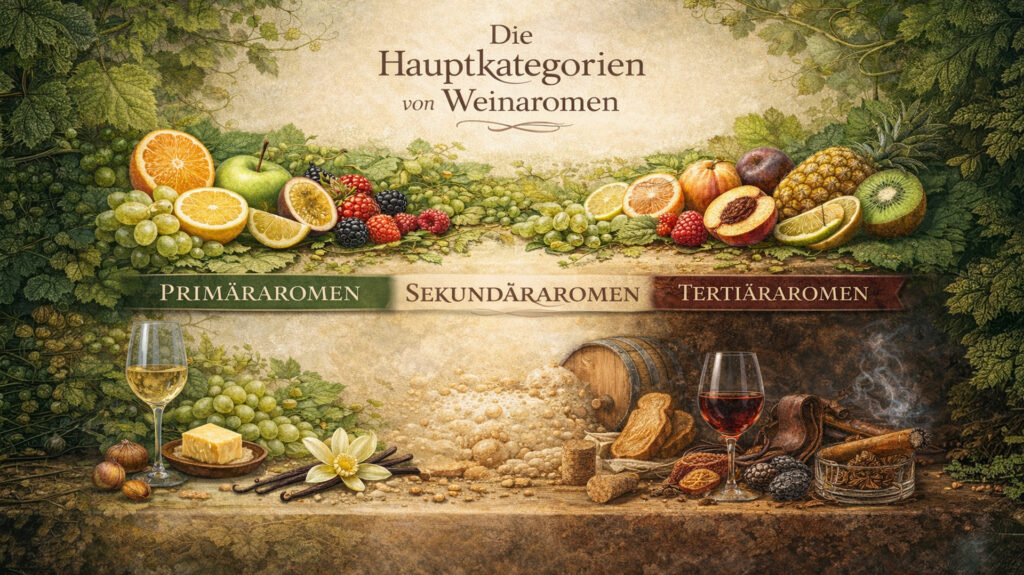
- Primary aromas:
Primary aromas are the aromas that come directly from the grapes. They develop as the grapes grow and can be influenced by the grape variety, climate, soil and other growing conditions. Primary aromas include fruity aromas such as citrus fruit, berries, stone fruit or tropical fruit. Each grape variety has typical primary aromas, for example Sauvignon Blanc often has green aromas such as green peppers or gooseberries, while Cabernet Sauvignon can have dark fruit aromas such as blackcurrants or cassis. Primary aromas can also be described as the aromas of the terroir. - Secondary aromas:
Secondary aromas develop during the fermentation and maturation of the wine. They are influenced by microbial activities such as malolactic fermentation or maturation on the lees (sur lie). Typical secondary aromas include aromas of butter, toast, vanilla, hazelnut or yeast. These aromas are particularly common in white wines that have been matured in oak barrels. The secondary aromas give the wine additional complexity and texture. - Tertiary aromas:
Tertiary aromas develop during the long maturation of the wine in the bottle or barrel. They are the result of complex chemical reactions and ageing processes. Typical tertiary aromas include aromas of tobacco, leather, dried fruit, mushrooms or earth. These aromas are often found in mature red wines and give them a special elegance and depth.
Wine aromas are a world of subjective perception and are therefore very much dependent on individual taste preferences. Each wine can have a unique combination of primary, secondary and tertiary aromas, which are influenced by factors such as grape variety, production methods, storage and ageing. The more familiar you are with the different aromas in wine, the more enriching the sensory experience, which in turn helps you to better understand the nuances and diversity of the wine. Find Valais red and white wines in the Mathier store now.