

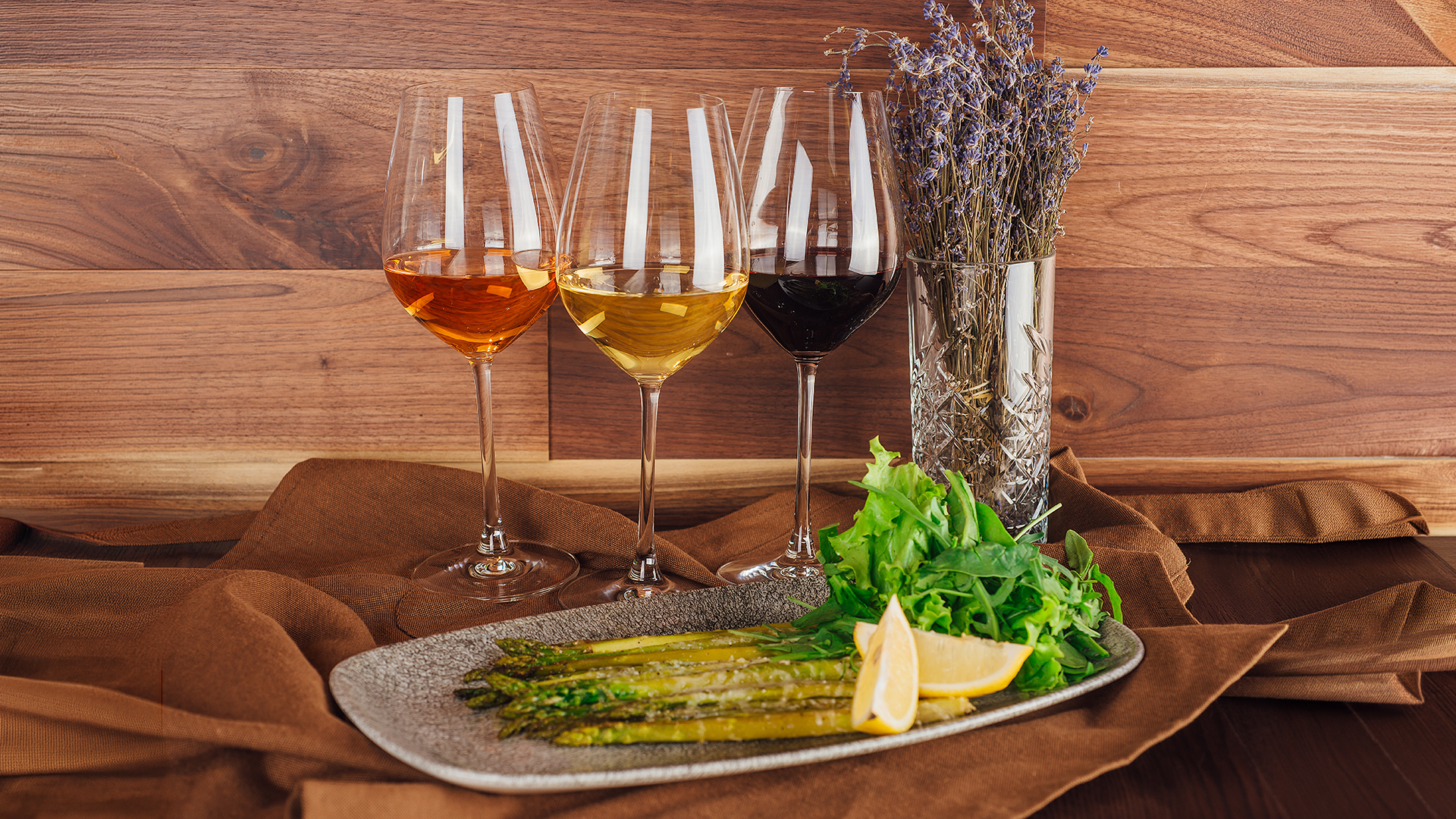
Correctly classifying wines with asparagus
When asparagus appears on the plate, everything seems light and uncomplicated at first. However, this vegetable in particular requires more attention than many stronger dishes. Its delicate taste, subtle bitter notes and different textures depending on the type of asparagus make the choice of wine a demanding one. If you just pour any white wine, you won’t automatically end up with a harmonious combination. But if you take a closer look, you will discover one of the most elegant seasonal pairings of all.
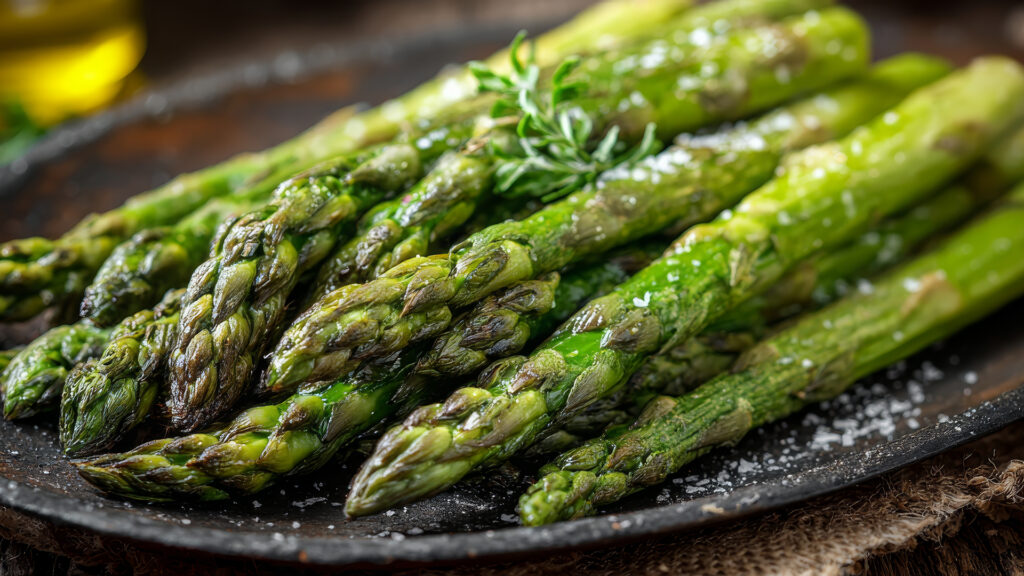
Asparagus is one of those products whose character cannot be reduced to a single aroma. Between fresh vegetation, subtle sweetness, a slight bitterness and sometimes almost creamy notes, a taste profile is created that reacts sensitively to the acidity, body and ageing of the wine. In the German regions, there are traditional wine accompaniments such as Silvaner or Pinot Blanc, which are particularly popular with asparagus, although the preparation also varies from region to region. In France, too, the combination of asparagus and wine has a long tradition dating back to royal tables and has become firmly established in French cuisine. This is precisely why the question of wines with asparagus is not a trivial one, but a classic topic for gourmets. As an example of a successful pairing, we recommend a fresh Swiss Chasselas with classic white asparagus with hollandaise sauce.
Why asparagus is so sensory sensitive
The real challenge lies in the bitter substances. Asparagus grows underground, which not only shapes its light color, but also its fine, earthy taste. They are never overpowering, but always present enough to unbalance a wine pairing.
A wine with prominent tannins or exaggerated acidity can intensify this bitterness and spoil the enjoyment – especially with the delicate tips of the asparagus, which have a significant influence on the taste experience. What previously seemed delicate and balanced suddenly appears edgy, harsh or even metallic.
Bitters and their effect in pairing
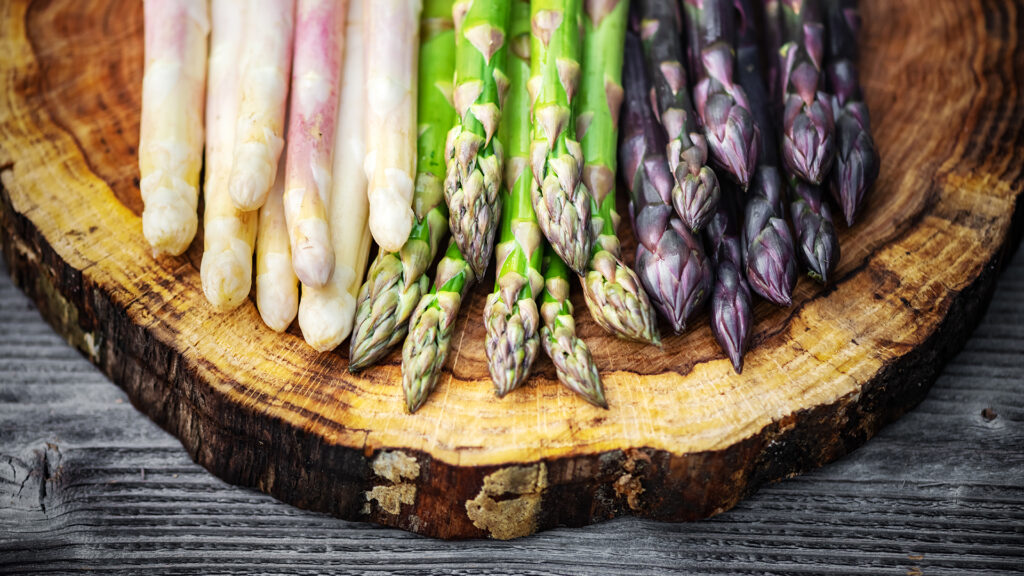
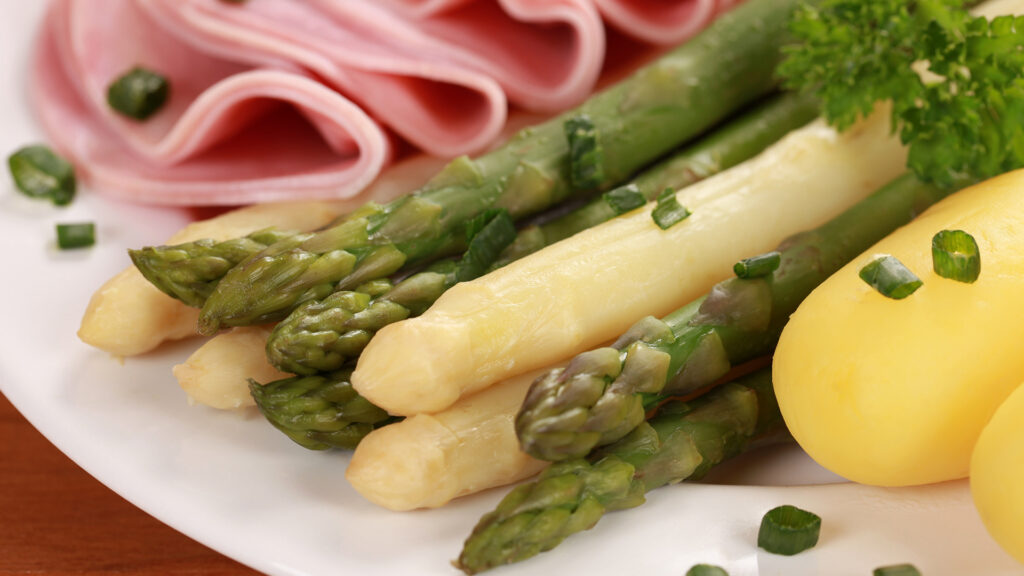
What’s more, asparagus – usually in the form of tender spears that are served as the main ingredient in various colors such as white, purple or green – is rarely served in isolation. Butter, potatoes, ham, fish, meat or a sauce change the dish considerably. Anyone talking about asparagus and wine must therefore never just consider the asparagus spears, but must always include the entire dish. Only this combination results in a truly harmonious wine accompaniment.
The most important basic rules for the election
The first basic rule is: restraint beats power. Asparagus does not require imposing wines, but rather accompaniments that are finely constructed and have a clean acidity structure. A particular advantage of mineral or fruity white wines is that they support the taste of the asparagus and can significantly enhance the culinary enjoyment. Light to medium-bodied white wines are therefore usually a better match than opulent growths with lots of wood, alcohol or overripe fruit.
Balance between acidity and body
The texture is just as important. The wine should have enough body to not disappear next to butter or sauce, but should never be so heavy that it covers the vegetables. Good asparagus wines are calm, clear and precise. They do not rely on volume, but on balance, freshness and a harmonious finish.
Regional combinations: Home meets pleasure
If you want to enjoy asparagus and wine at the highest level, you should not underestimate the interplay of regional specialties. Especially in Switzerland, Germany and Austria, the combination of local asparagus dishes with local wines creates particularly harmonious moments of pleasure. A prime example is the white asparagus from Valais, which makes a perfect liaison with a dry Heida from the same region. The fine minerality and balanced acidity of the Riesling underline the mild character of the asparagus and create a harmonious overall picture. In Austria, Grüner Veltliner from Lower Austria is a tried and tested partner for green asparagus: its fresh, peppery character and lively structure bring out the spiciness of the vegetable wonderfully. Such regional combinations are not only an expression of a love of home, but also a guarantee of authentic enjoyment – and show how complex the topic of asparagus and wine can be.
Which wines are most convincing with asparagus
Classic white wines with a cool to moderate style are among the most reliable accompaniments, as they pair particularly harmoniously with asparagus dishes. Silvaner is considered the “asparagus wine” par excellence because it does not mask the aromas of the asparagus and is very precise with its calm, often slightly mineral character. Chasselas or Müller-Thurgau are very low in acidity and fresh, making them easy companions for classically cooked asparagus. Müller Thurgau can also be an elegant choice, provided it is vinified dry and clean. Its mild fruit and moderate acidity make it an uncomplicated but harmonious partner. Scheurebe, on the other hand, is less suitable due to its intense aromas, as it can easily overpower the delicate asparagus.
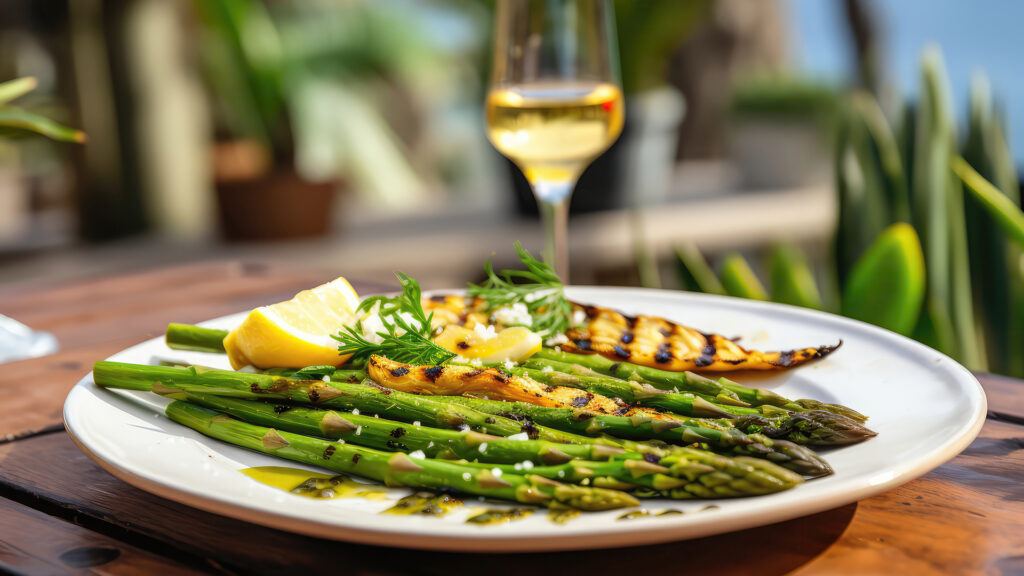
Classic grape varieties at a glance
Equally convincing are Pinot Blanc and Pinot Blanc, which often hit the mark with their gentle structure and restrained aromas. These wines go particularly well with the delicate tips of asparagus, which are prized for their finesse and quality. Silvaner, Pinot Gris and Pinot Blanc are classic German wines that are considered the ideal accompaniment to asparagus. If you are looking for something more full-bodied, go for Pinot Gris or Pinot Gris, as long as the wine is not too broad or alcoholic. In the right style, these grape varieties provide the smoothness that is particularly sought after with buttery asparagus dishes.
Which wines to choose with asparagus with caution
Red wines are generally tricky to pair with asparagus. The reason lies less in a rigid rule than in the effect of the tannins. Tannin-rich red wines react with the bitter substances in asparagus and create an unpleasant harshness that significantly impairs the enjoyment. For this reason, red wine should be consistently omitted in most cases, as it masks the delicate aromas of the asparagus and can lead to flavor conflicts.
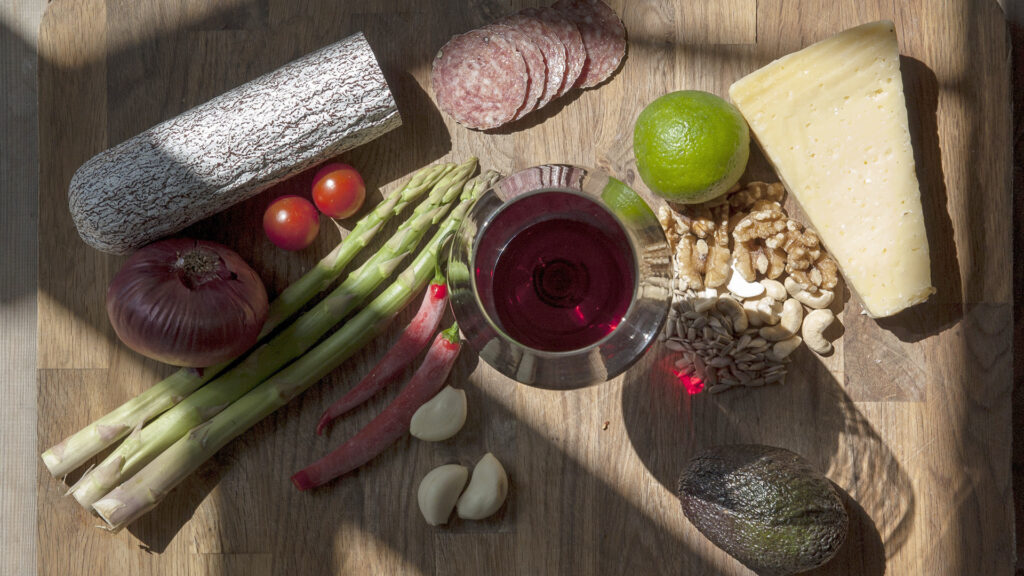
Red wines only in exceptional cases
A light Pinot Noir can work in certain combinations, such as with roasted green asparagus with mushrooms or white meat. A fruity Pinot Noir with little tannin from Burgundy can also go well with asparagus dishes with beef or lamb. Bordeaux wines, especially noble sweet varieties such as Sauternes, are also occasionally recommended as a special accompaniment to certain asparagus dishes, but are rather rare exceptions. Here too, however, restraint is crucial. The wine must be finely built, with little wood and a restrained structure. However, red wine is not suitable as a general recommendation – if you want to enjoy it reliably, stick to precise white wines.
White asparagus and its ideal companions
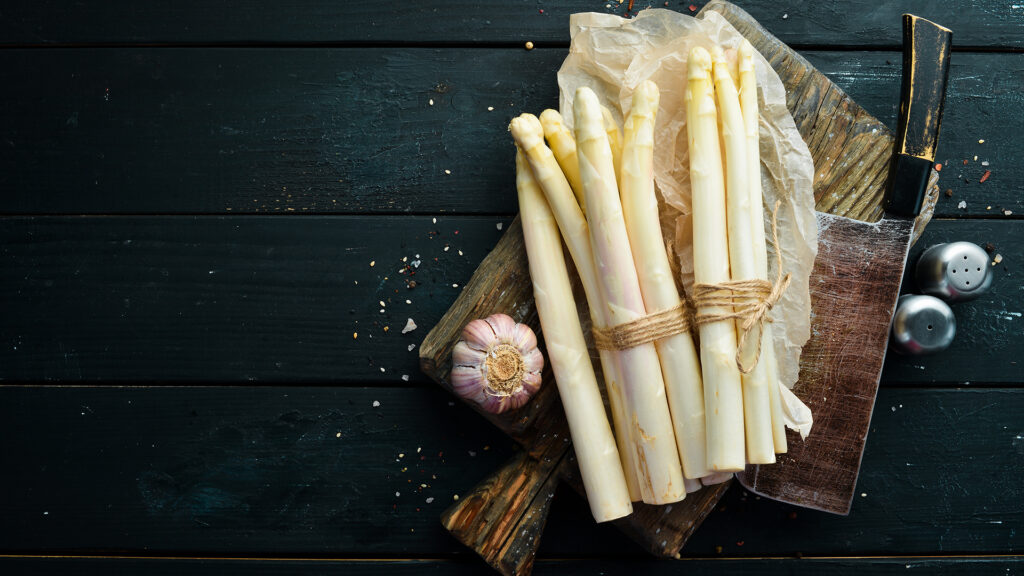
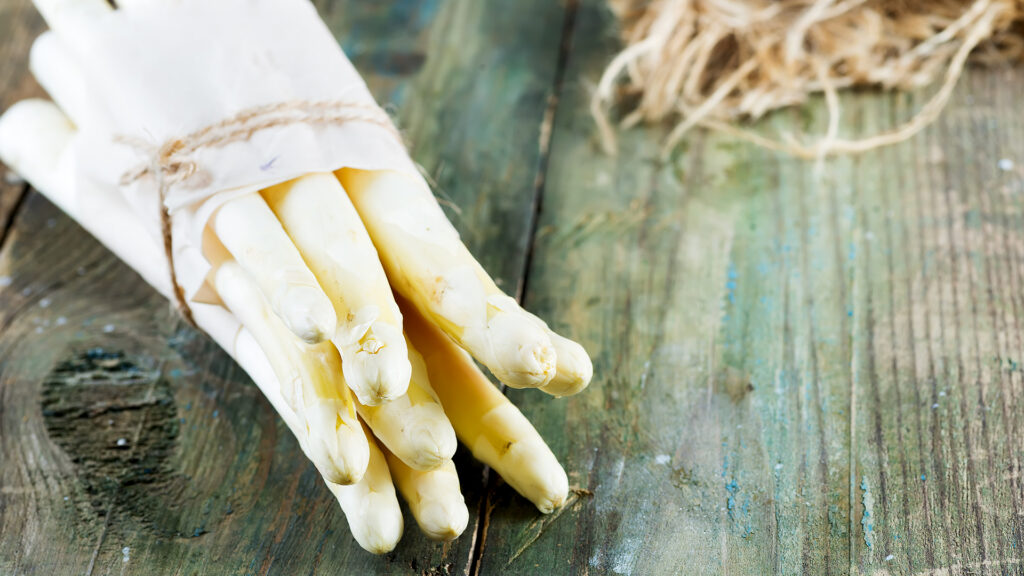
White asparagus represents the classic asparagus season like no other product. When preparing and storing asparagus at home, it is advisable to keep the spears cool and moist so that they remain fresh and aromatic. Its taste is elegant, calm and characterized by a fine creaminess. This is precisely why it calls for wines that show the same discipline and do not lose their balance. A mild Silvaner from Rheinhessen, for example, is an excellent choice with white asparagus.
Fine alternatives for classic dishes
Silvaner and Pinot Blanc are particularly reliable here, as they support the flavor without overpowering it. Purists like to use classic wines such as Chardonnay or Sauvignon Blanc to emphasize the subtle aromas of the asparagus – especially when prepared with butter or vinaigrette. Chasselas can also work excellently, provided it is clear and dry. Those who prefer a little more fruit will find a clean Müller Thurgau a harmonious alternative. It is crucial that the aromas remain subtle and that the ripeness does not become too broad.
Green asparagus requires more expression
Green asparagus is more flavorful, more vegetal and often has a slightly nutty depth. In contrast to white asparagus, green asparagus grows above the ground and develops its green color through sunlight. This significantly expands the range of possible combinations. Chardonnay and Sauvignon Blanc go particularly well with green asparagus. Sauvignon Blanc can work excellently here as long as it is not too loud or exotic. Styles that focus on freshness, herbs and citrus are particularly convincing.
Focus on spicy companions
Grüner Veltliner is an equally strong partner. Its fine spiciness, clear acidity and structured style are ideal with roasted or grilled asparagus. Wines from Alsace, such as a fresh Muscat or an elegant Crémant, are also excellent accompaniments to green asparagus and bring regional diversity to the glass. Roter Veltliner can also be an exciting option if it combines smoothness with controlled freshness. This shows particularly clearly how strongly the type of asparagus influences the choice of wine.
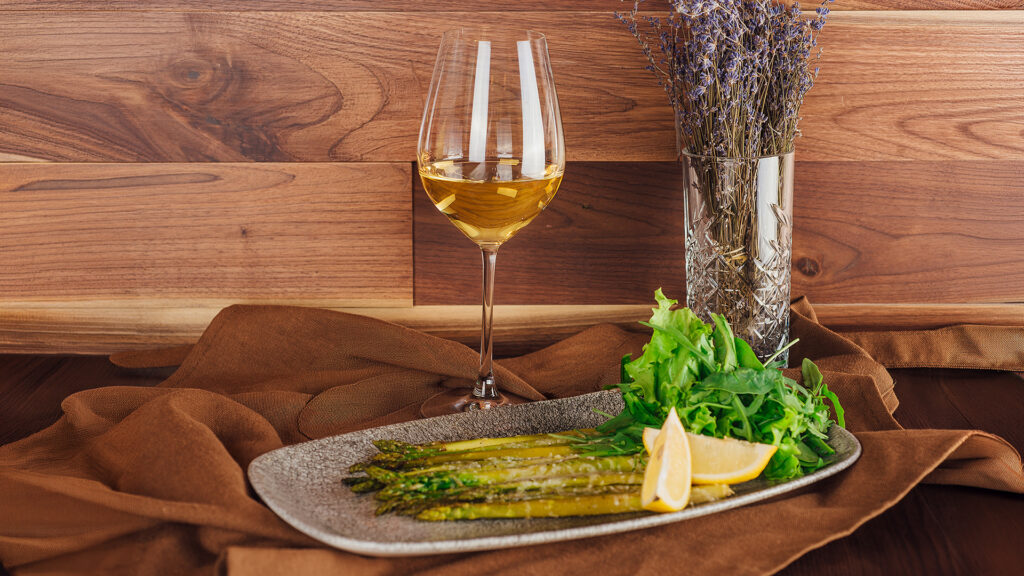
Purple asparagus and slightly more aromatic styles
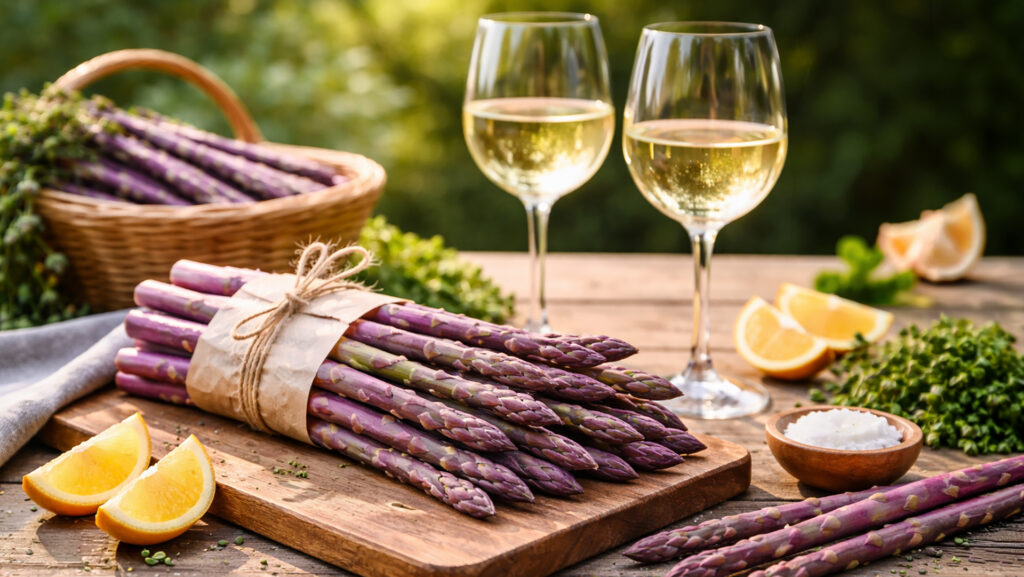
Purple asparagus combines the delicacy of white asparagus with the expressiveness of green asparagus. Its slightly sweet, round aromas open up scope for somewhat more aromatic wines without allowing them to dominate.
Fine fruit as a stylistic device
Chenin Blanc can be very interesting here, as it combines fruit, acidity and structure in a balanced way. A dry Muscat from Alsace or a Chenin Blanc from the Loire go particularly well with purple asparagus. Subtle, dry Muscat styles can also work. Wines such as Viognier from Condrieu, which have subtle honey notes, also harmonize excellently with purple asparagus and underline its aromatic diversity. A hint of fruit helps to round off the bitterness, as long as the aromas are not overpowering. Good wine pairing here also remains a question of dosage.
The supplement changes everything
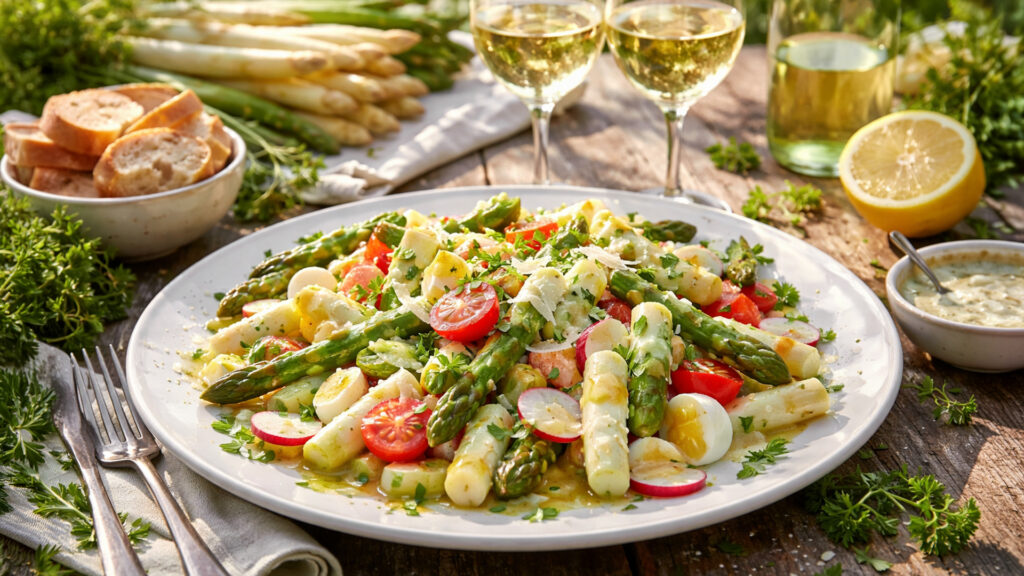
Asparagus alone is only one part of the dish. A fine dressing plays a particularly important role in asparagus salads, as it enhances the flavor of the asparagus and influences the choice of the right wine. Potatoes add substance, ham adds spice and saltiness, fish adds subtlety and meat adds depth. These components change the flavor profile and therefore also the requirements for the wine.
Accompany classic combinations correctly
Silvaner, Pinot Blanc or Müller Thurgau go particularly well with potatoes and ham. With fish, it can be a little fresher and more mineral, such as a restrained Riesling or an elegant Sauvignon Blanc. If meat comes into play, the wine can gain body – for example with Pinot Gris or a more mature Pinot Blanc.
Wines with asparagus soups or salads
Asparagus soups and asparagus salads open up their own world of possible combinations, as both the consistency and the sauces and side dishes used play a decisive role here. A creamy asparagus soup or a salad with hollandaise or polonaise sauce calls for a wine that is full-bodied and smooth. A Chardonnay or an elegant Pinot Blanc are ideal companions here: their buttery and slightly nutty notes harmonize perfectly with the creamy sauce and lend the dish additional elegance. If, on the other hand, the asparagus salad is served with a fresh vinaigrette and new potatoes, a fresh, dry Riesling or a mineral Silvaner is recommended. These wines bring citrus and herbal nuances that emphasize the character of the salad and provide an invigorating contrast. With the right choice of wine, every asparagus salad and every soup can be individually refined.
Asparagus and seafood: freshness meets elegance
The combination of asparagus with seafood such as salmon or prawns is a prime example of fresh, elegant spring cuisine. Here, delicate vegetable flavors meet the fine texture of fish – a combination that calls for an equally elegant partner in the glass. A dry Sauvignon Blanc or a Pinot Gris are ideal companions: their citrus and fruity notes emphasize the freshness of the asparagus and harmonize wonderfully with the delicate taste of salmon or prawns. If the fish is served with a creamy sauce, a fruity rosé wine can also be an exciting alternative. Its floral and red fruit notes complement both the sauce and the fish, creating a particularly harmonious combination. This makes the dish not only a culinary highlight, but also an atmospheric one.
Butter as the key to pairing
Butter plays a central role in asparagus cuisine. It softens bitterness, provides melting and binds the individual components of the dish. At the same time, it increases the weight and therefore places new demands on the wine.
Structure and enamel in balance
A wine that is still ideal with purist asparagus can quickly appear too light with butter. Wines with a little more substance are therefore needed here, without losing any of their elegance. Chardonnay, Pinot Gris or a denser Pinot Blanc often show their strength in this context because they harmoniously combine creaminess and structure.
Asparagus with hollandaise sauce as the supreme discipline
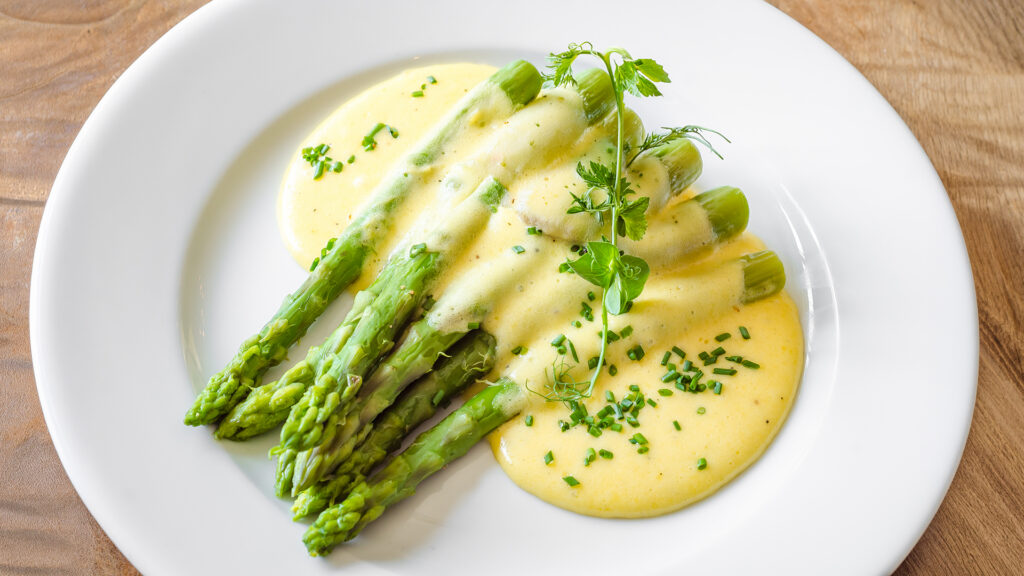
Asparagus with hollandaise sauce is one of the most classic and sophisticated combinations of the asparagus season. The sauce brings butter, egg yolk and creaminess into play and changes the overall taste. Although the asparagus remains at the center, it is surrounded by a much richer texture.
Asparagus with hollandaise sauce and the right style
For asparagus with hollandaise sauce, the wine needs a stable acidity to balance out the fattiness, but at the same time enough body to prevent it from sinking. Pinot Gris is often one of the safest options here, as it combines creaminess and structure. A restrained Chardonnay can also absorb the creamy sauce and complement it well.
Fine tuning depending on the sauce
There are subtle differences depending on how the sauce is prepared. A lighter, lemony version requires more freshness in the wine, while a richer sauce needs more body and depth. The decisive factor is always the interplay of all components.
Riesling, but with a sense of proportion
Riesling is often recommended, but asparagus requires a delicate touch. Too much acidity can emphasize the bitterness and disturb the balance. A ripe, well-integrated style, on the other hand, can work very well, especially with green asparagus or in combination with fish.
Choose the right serving temperature and ripeness
Even an excellently chosen wine can miss its mark if the serving temperature is not right. White wines poured too cold appear closed, their aromas remain trapped in the glass and the acidity becomes unnecessarily sharp. If, on the other hand, the wine is served too warm, it loses its tension, appears broader and loses the precision that is particularly important with asparagus. So it is not about a rigid temperature scheme, but about a sensitive balance between freshness and expression.
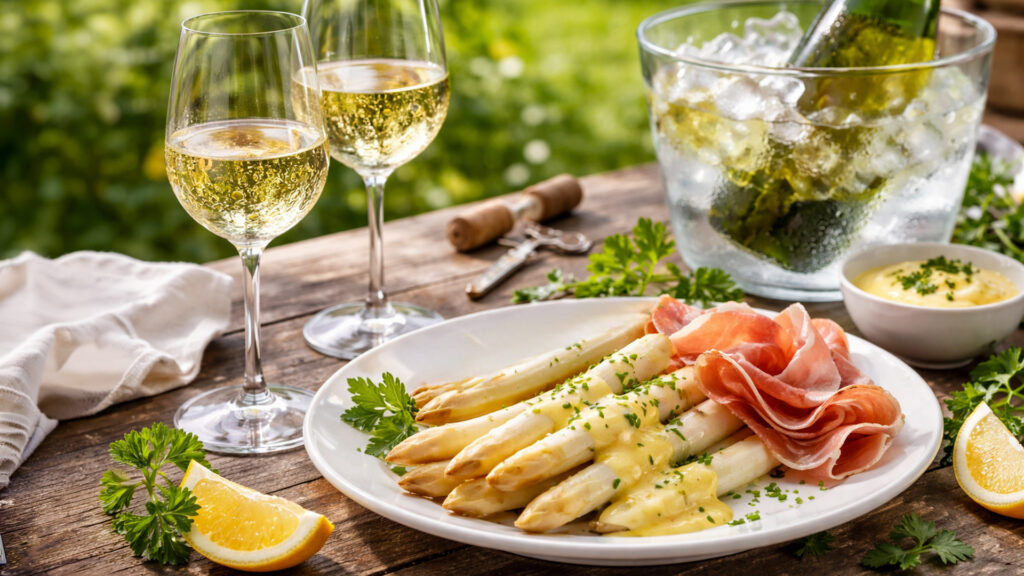
A specialized winery in particular can provide decisive support in the selection and optimal storage of suitable wines for asparagus dishes, as their experience and expertise ensure the perfect harmony between wine and food.
Maturity also deserves special attention. Young wines often show clear, direct fruit and lively acidity, which is an excellent match for simple asparagus dishes. With increasing maturity, many wines gain depth, texture and calmness, making them ideal companions for more complex preparations with butter or sauce. The key is that maturity does not make the wine appear heavy or dominant, but rather develops it in a finer, more harmonious direction.
What does not work with strong flavors
Asparagus is not a product that wants to assert itself against strong opponents. On the contrary: its strength lies in the subtle nuances and the fine balance between sweetness and bitterness. This is precisely why wines with a strong use of wood, pronounced roasted aromas or high alcohol levels quickly lose their balance. They overshadow the vegetables instead of accompanying them and make the combination appear coarse and unbalanced.
Similarly problematic are strongly aromatic wines with dominant fruit or intense fragrances. What can be appealing on its own often seems overdrawn next to asparagus. The subtle aromas are lost and the interplay loses its elegance. Good asparagus wines are therefore characterized not by intensity, but by precision.
Think wine accompaniment after preparation
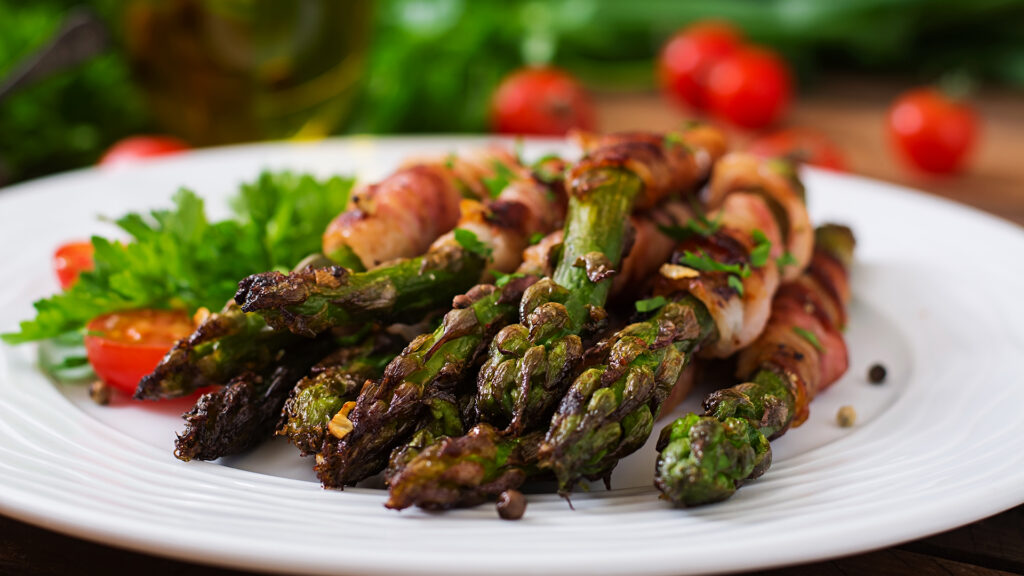
Preparation is one of the decisive factors when choosing the right wine. Steamed asparagus with a little butter requires different accompaniments than roasted asparagus spears with roasted aromas or complex recipes with hollandaise sauce. Anyone who takes wine pairing seriously should therefore not think in fixed categories, but rather focus on the specific dish.
A purist preparation of asparagus benefits from light, clear white wines such as Silvaner, Gutedel or Müller Thurgau. If roasted aromas or stronger components come into play, the wine can gain substance – for example with Grüner Veltliner, Sauvignon Blanc or an elegant Chardonnay. This adaptation is the key to a convincing combination.
Consciously shaping enjoyment in asparagus season
The asparagus season is short enough to enjoy it consciously. It is precisely because asparagus is so delicate and nuanced that it is worth paying attention to it – not only in the kitchen, but also in the glass. Anyone who tries wines with asparagus quickly discovers how precise and complex this combination can be.
Between classic grape varieties such as Silvaner, Müller Thurgau or Pinot Blanc and more expressive varieties such as Sauvignon Blanc, Chardonnay or Chenin Blanc, a broad spectrum opens up. The most beautiful combinations are created where wine and dish complement each other and work together. Asparagus then becomes a quiet but exceptionally elegant pleasure.
Insider tips for pairing asparagus and wine
If you fancy a new taste experience, you should also try less classic varieties when pairing asparagus and wine. A Gewürztraminer, for example, brings a whole new dimension into play with its exotic, spicy aromas and goes particularly well with asparagus dishes with Asian nuances or strong dressings. Chenin Blanc is also an insider tip: its fresh fruit and lively acidity lend lightness and elegance to asparagus dishes. For lovers of roasted aromas, we recommend a Chardonnay or Pinot Blanc aged in barriques. The fine vanilla and woody notes of these wines complement roasted or grilled asparagus spears in a sophisticated way and ensure an exceptional taste experience. Such special wines open up new ways of enjoying asparagus and show just how much scope the subject offers.
Wines for special occasions
When asparagus is on the festive table, the wine can also be something special. Fine wines such as champagne or sparkling wine are ideal for weddings, anniversaries or other festive occasions. The fine perlage and fresh fruit of these sparkling wines lend the asparagus dish a festive elegance and make every occasion a special experience. If you prefer something a little sweeter, you can opt for a fruity Riesling or an aromatic Gewürztraminer. The delicate sweetness and pronounced fruity notes of these wines harmonize wonderfully with the tender asparagus and create a romantic atmosphere. With the right choice, the asparagus will not only be the culinary highlight of the evening, but also an emotional one – a pleasure to remember.
Frequently asked questions (FAQ) about which wine to pair with asparagus
Which wines go best with asparagus?
Light to medium-bodied white wines such as Silvaner, Pinot Blanc or Müller Thurgau offer the best balance.
Which wine goes well with asparagus with hollandaise sauce?
Pinot Gris or Chardonnay are ideal companions as they combine body and freshness.
Does red wine go well with asparagus?
In most cases not, as tannins strengthen the bitter substances.
Why is wine pairing with asparagus so demanding?
Because asparagus has a fine flavor profile with bitter substances that react sensitively to wine.