
Wine quality, or: what actually makes a good wine?
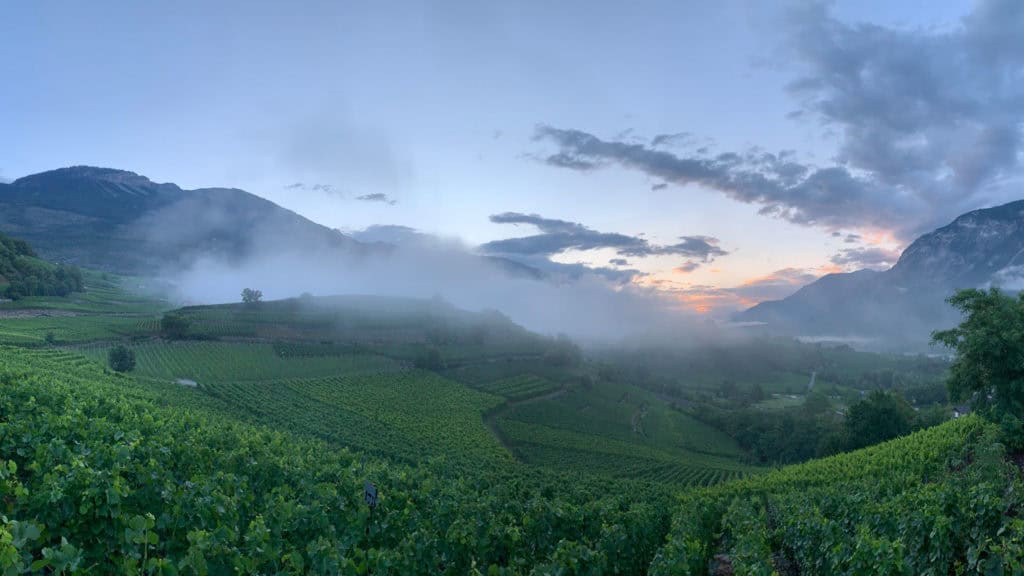
In order for a wine of good quality to end up in your glass, numerous factors have to work together perfectly. It is not for nothing that the pressing of a good wine is considered a fine art. These criteria that make up good wine quality can be divided into two groups. In the first group, everything revolves around the vineyard and the selected grape variety, as well as aspects such as soil composition, climate, location and the method of viticulture chosen. Apart from the grape variety, these criteria are also referred to as terroir. On the other hand, the second group includes all aspects of winemaking, ageing and storage in the cellar, i.e. when the grapes have been harvested and taken to the wine cellar for further processing.
The harmonious interplay of all these components, with the vine and the terroir clearly taking center stage, can result in a wine with characteristics that attest to its high quality. These characteristics certainly include the substance of the wine itself. This refers to nothing other than the fullness or body of the wine and therefore the quantity of ingredients that the grapes have released during pressing. This can certainly be regulated and influenced by the winegrower, keyword harvest regulation. The fewer grapes are harvested per square meter, the higher the concentration of ingredients, because the vine has to concentrate on fewer grapes as it ripens. Other aspects that play an important role are the intensity of the aromas of the flavors and aromas, but also their complexity, i.e. whether the substances are multi-layered and differentiated or rather one-dimensional and blurred.
As we have already written in our blog on the topic of wine pairing – the right wine for the right food, the balance between fruity, spicy, sweet, sour and tannins is another crucial component for good wine quality. Finally, there is the aspect of density, i.e. how concentrated are the ingredients that give the wine its aroma and texture. And as is so often the case in life, the same applies to wine: what is remembered for a long time is good. If the last impression on the palate lasts a long time, we speak of a long finish and aftertaste, which is also an indication of good wine quality. If the wine then also meets the criteria summarized under the term longevity, such as ageing potential and shelf life, you are looking at a bottle of wine with at least good, if not very good wine quality. Buy wines from Valais now.