


When wine and cheese go in search of a partner
Wine and cheese – not only can they both look back on thousands of years of history. Ultimately made from just a few ingredients, there are countless different variations of these two exquisite luxury foods. Commercially marketed wine is made from around 1,400 different grape varieties worldwide. And whether cow’s milk, sheep’s milk, goat’s milk, buffalo milk or mixed milk forms serve as the basis: in our comparatively small Switzerland alone, there are already over 450 different types of cheese, and worldwide there are said to be no fewer than 4,000!
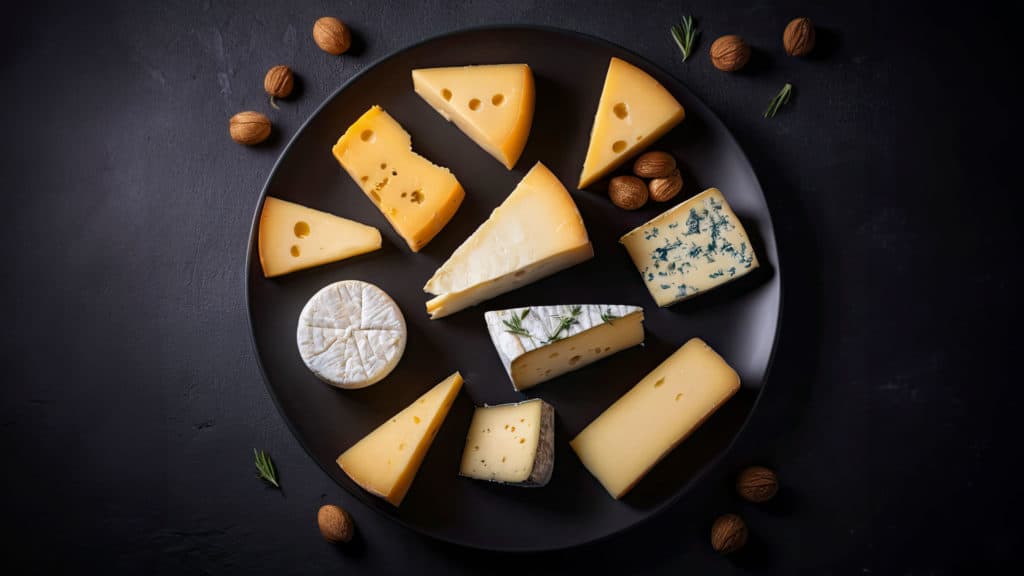
And these figures already illustrate the dilemma we are supposedly facing. How on earth do we keep track of everything when it comes to finding the right wine to go with the right cheese in this jungle of products?
The three most important and reassuring pieces of news first: firstly, pairing wine and cheese is an age-old tradition. And if you take a look at the various wine regions, you won’t have to look too far to find excellent cheeses. People used to know what was good, what tasted good and what was good for you.
On the other hand, wine and cheese are like many other things in life: whatever you like is allowed. And there is a perfect cheese for every wine and vice versa. This also means that the common opinion that only red wine goes with cheese is completely out of the air. So don’t carelessly walk past the shelves of white wines, rosé wines and, yes, you read that right, sparkling wines in your wine cellar if a fine cheese is waiting in your kitchen to be paired with it.

Last but not least, and this is perhaps the most important news: those who are spoiled for choice also have the advantage of choice. And to help you find your way more or less unerringly through the variety of offers and combinations, it is worth observing a few basic rules. We have compiled these rules for you below. But here too, no rule is without exception, and we make no claim to be exhaustive. Especially as taste is still a highly individual matter.
The 10 golden rules of thumb for pairing wine and cheese
- What applies to pairing wine and meat also applies to pairing wine and cheese. Even, or especially, if you are completely in the dark when it comes to choosing wine or cheese: If possible, always choose two sparring partners that both come from the same region and you can’t go (completely) wrong, because experience has shown that the two go well together.
- Preferably combine intense products with intense ones or discreet ones with discreet ones. If you like to experiment and want to combine an intense product with a subtle counterpart, you should always make sure that the more intense partner is also the more sophisticated one. Otherwise, you run the risk of the noble product being mercilessly sent to the ground by the less noble, but stronger product.
- As already mentioned, cheese is absolutely not a playing field reserved for red wines alone. Quite the opposite. If there is one all-rounder among wines that can more or less take on all types of cheese instead of a red wine, then it is a fruity white wine with a juicy melt and a hint of residual sweetness. The reason why white wines often prove to be even better cheese partners is due to the tannins found in red wine (see info box). Fruity and slightly sweet white or rosé wines are certainly always the better dream partner here. But whether a red wine or a white wine goes well with cheese is not the decisive question. It is much more important that the aromas and flavors of wine and cheese complement each other harmoniously. Or that they form an interesting contrast.
Why red wine is not always cheese’s dream partner
The grape skins contain the so-called tannins. During the maceration of the red wine, the must and the grape skins come into contact with each other so that the tannins from the grape skins are transferred to the must. Further tannins can be added if the red wine is later matured in wooden barrels. The tannins are reduced or better integrated over the years, i.e. the wines become more velvety and the fruit comes to the fore. But as long as red wines have a high level of tannins, they are generally more suitable for a few types of cheese that would be able to tame these tannins. This is also due to the fact that many cheeses are very salty and salt greatly increases the perception of tannins on the palate and makes the wine appear bitter. And it would be a shame if you were to put your previously red favorite in the corner in disappointment, wouldn’t it?
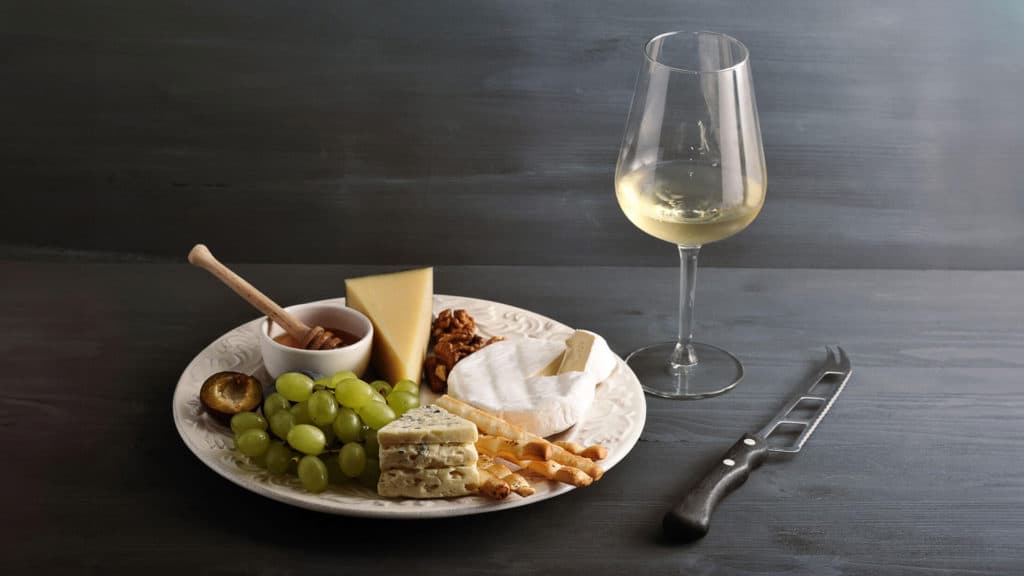
- The creamier the cheese, the more acidic your wine should be. Conversely, acidic cheeses tend to require a semi-dry or sweet wine.
- If you are dealing with a particularly salty cheese candidate, you can choose between wines with good residual sweetness or with expressive acidity.
- The harder the cheese, the better it feels in the company of a tannin-rich red wine.
- When it comes to acidity, sweetness or flavor intensity, you should not try to combine like with like. Instead, it’s all about the opposites, i.e. acidic cheese with sweet wine or vice versa.
- In the world of flavors, on the other hand, you can very well seek perfection in like with like. In other words, if a cheese is on the fruity side in terms of its variety of flavors, then you are almost always on the right track with a fruity wine. Port wine and blue cheese, for example, make an ideal pair.
- Cheese platters with different types of cheese present many of us with seemingly insurmountable hurdles. If you have to choose just one wine, it is advisable to select the wine according to the strongest cheese. If you decide on several wines to go with the different types of cheese, the same applies here: Wine and cheese from the same region go well together.
- So that you can enjoy the full taste experience, you should definitely observe the correct serving temperatures. For wine, this varies between 8 and a maximum of 18 degrees, depending on age and variety. See also our wine blog Serving temperature for wine. To allow cheese to develop its full flavor and aroma, you should take it out of the fridge a good hour before serving and serve it at a temperature of 16 to 18°.
Now that we have exhaustively covered the theory, let’s move on to the practice. We have compiled a comprehensive overview of which wines can make an excellent marriage with which types of cheese. And then, last but not least, there’s the matter of the bread… Because choosing the right wine to go with the right cheese is a challenge in itself, you shouldn’t (over)challenge your palate when it comes to bread. Rely on fresh farmhouse bread with a crispy crust. Anything more than that is of little or no benefit to the impeccable taste experience.
Young and fresh cheeses
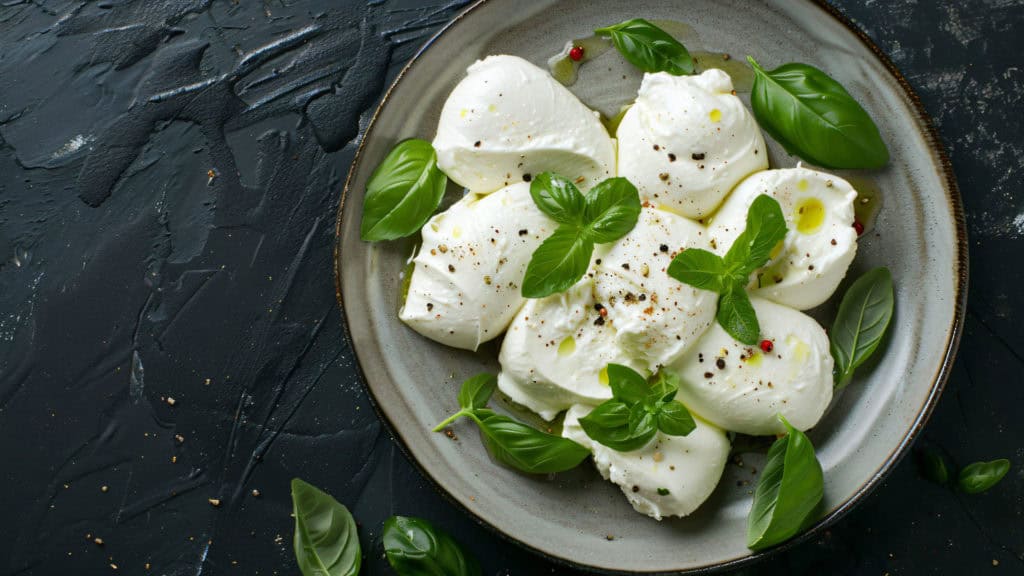
Bresso, Mozzarella Cottage Cheese and Géramont go well with light, fruity white wines, sparkling wines or low-acid and fruity red wines from stainless steel tanks.
Mathier’s wine recommendation:
Folie à Deux brut, gold capsule, Vin mousseux – Vin de pays suisse
Dôle blanche Frauenfreude AOC VS
Pinot Noir Nouveau Salquenen AOC VS
Firm and semi-soft semi-hard cheeses
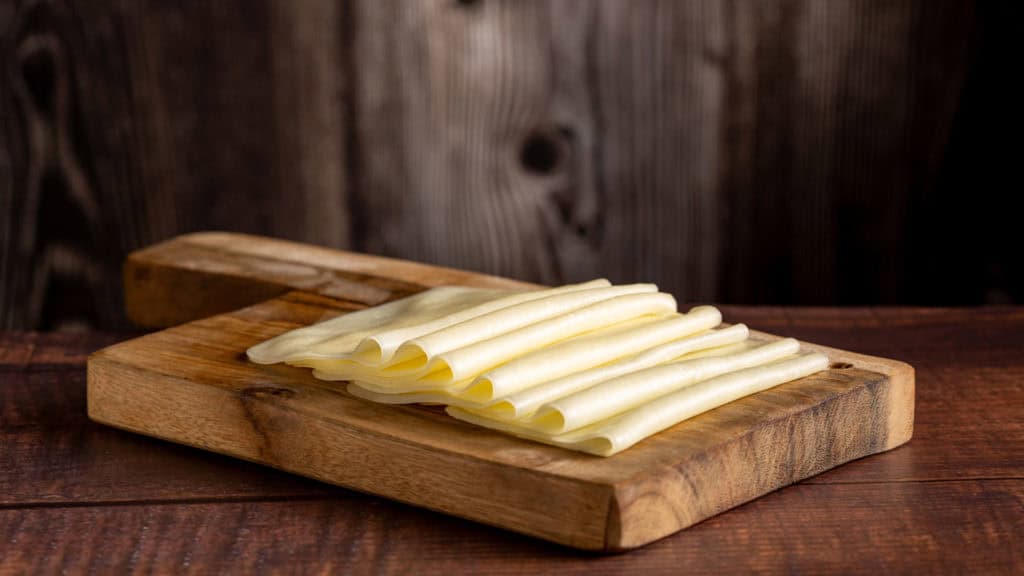
Edam, Tilsiter, Gouda or Morbier are just as much classics on the cheese board as Munster, Manchego, Tête de Moine, Tallegio or Epoisses de Bourgogne go well with more complex white wines with a higher acidity.
Mathier’s wine recommendation:
Heida Les Pyramides AOC VS
Humagne blanc Les Pyramides AOC VS
Gigolo white AOC VS
Ermitage Nadia Mathier AOC VS
Mild soft cheese and white mold cheese
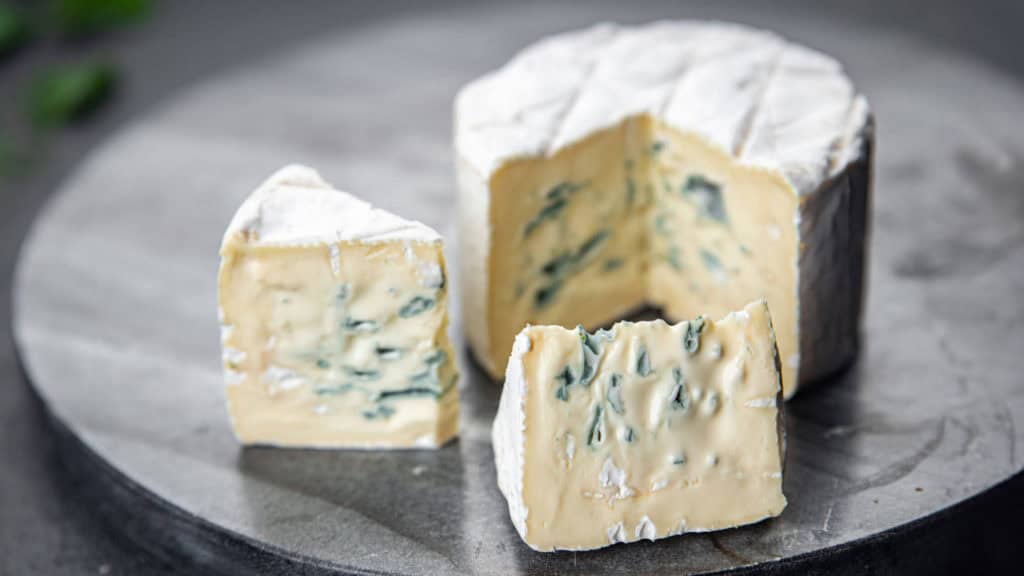
Camembert, Brie & Co. – fluffy soft cheeses with white mold – buffer the acidity present in the wine and enhance the fruity notes. They go well with strong white wines and fruity red wines with mild acidity from stainless steel tanks.
Mathier’s wine recommendation:
Malvoisie La Valaisanne AOC VS
Gigolo white AOC VS
Cuvée Madame Rosmarie Mathier white AOC VS
Gamay Mephisto AOC VS
Pinot Noir Lucifer AOC VS
Soft cheese with washed, red rind
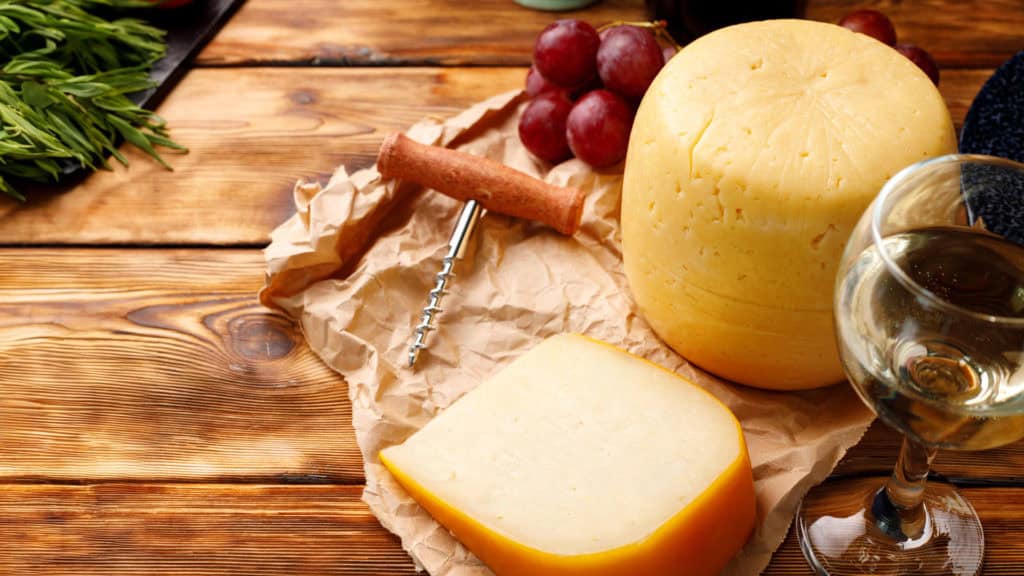
Not everyone’s darling, but extremely complex and creamy in taste. Munster, Langres and Reblochon come to the plate with a good portion of fat, which knows how to master both alcohol and tannins in the wine excellently. Also a poem with sweet wines.
Mathier’s wine recommendation:
L’Ambassadeur de Diego Mathier white AOC VS
Folissimo – the crazy wine creation AOC VS
Cabernet Sauvignon Adrian Mathier AOC VS
Gemma assemblage de cépages nobles TOPAS Vin doux naturel AOC VS
Hard cheese
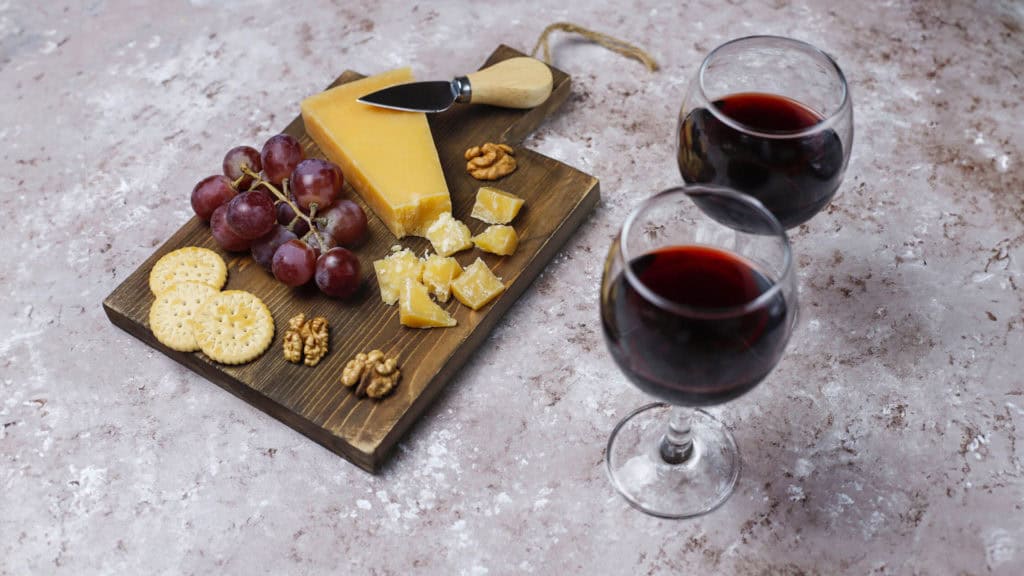
Parmigiano, Gruyère Suisse, Comté, Swiss Alpine cheese, Sbrinz, Cheddar and Emmental have a high fat, salt and umami content. This is where the “real” red wines finally get to show what they can do. This extremely dense cheese flavor calls for complex and powerful red wines with an expressive portion of tannin. These cheeses also offer an exotic explosion of flavor with a sweet wine.
Mathier’s wine recommendation:
Cabernet Sauvignon Adrian Mathier AOC VS
Syrah Diego Mathier AOC VS
Thelygenie VALSAR red AOC VS
Merlot Nadia Mathier AOC VS
Gemma Pinot Noir Saphir Vin doux naturel AOC VS
Sheep and goat cheese
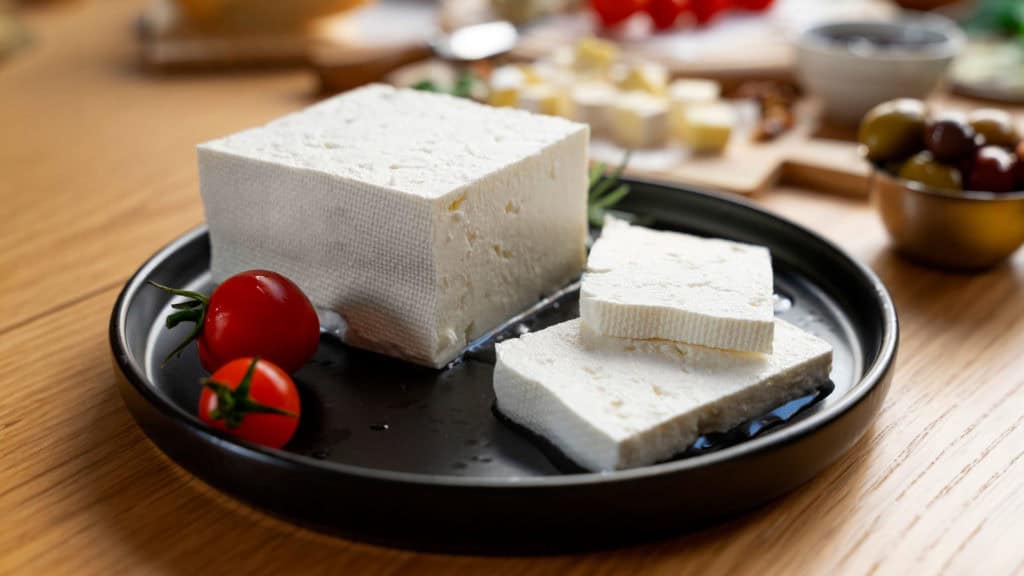
When young, these cheeses have a slightly acidic taste of their own and go well with fruity white or rosé wines without too much direct acidity. The spicier and more aromatic these cheeses become during storage, the more they require complex white wines or fruity, young red wines.
Mathier’s wine recommendation:
Fendant du Ravin AOC VS
Oeil-de-Perdrix La Matze AOC VS
Cuvée Madame Rosmarie Mathier red AOC VS
Pinot Noir Lucifer AOC VS
Blue cheese
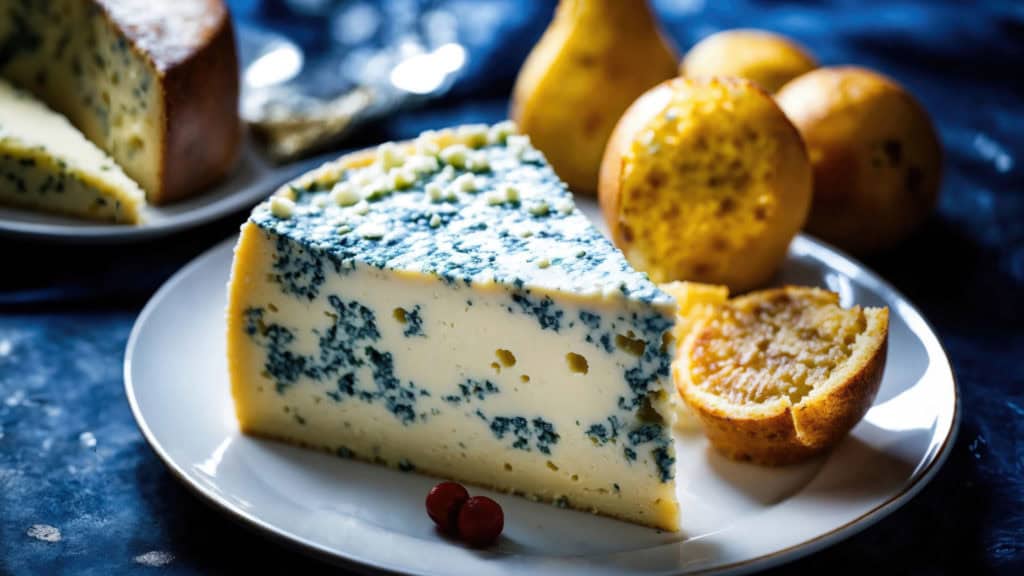
Gorgonzola, Bleu d’Auvergne, Roquefort or Stilton. The older and more mature the cheese, the more complex and sweeter the dessert wine should be in order to keep up with the saltiness and spiciness of the cheese.
Mathier’s wine recommendation:
Ermitage Nadia Mathier AOC VS
Gemma assemblage de cépages nobles TOPAS Vin doux naturel AOC VS
Gemma Ermitage Rubin Vin doux naturel AOC VS doux naturel AOC VS
FAQ:
Should I serve a white wine, a rosé wine or a red wine with a cheese platter?
There are always (many) different types of cheese on a cheese platter. There are three ways to choose the wine that goes best. It is not a question of whether it is a white wine, a rosé wine or a red wine; the color of the wine does not play a role as a selection criterion. Rather, you can base your wine selection on the cheese with the most intense flavor and choose a wine that goes best with this one cheese. Another option is to select and offer two or three different wines. This assumes that you or your guests are somewhat familiar with the wine/cheese combination. And last but not least, when selecting the wine, you can also opt for a fruity white wine with a melting texture and a light residual sweetness as a passe-partout.
How does the type of cheese influence the taste of a wine?
Cheeses can influence the flavor of both white wine and red wine in different ways. For example, a strong, tangy cheese such as a blue cheese can be a good choice to enhance the flavor of a strong red wine by balancing out its tannins. A mild, creamy cheese such as Brie, on the other hand, can harmonize well with a lighter white wine and emphasize its fruity aromas. The fattiness of the cheese can also influence the perception of tannins in red wine by softening or enhancing them. The texture of the cheese, whether hard, semi-soft or soft, can also influence the mouthfeel experience in combination with the wine. Finally, the flavors of the cheese, such as spicy, nutty or fruity, can also interact with the flavors of the wine, creating either contrasts or complements.
What different types of cheese are there?
There are a variety of cheeses that differ in taste, texture and production process. Some of the most well-known categories are soft cheeses such as Brie and Camembert, which have a creamy texture and mild flavor. Semi-soft cheeses such as Cheddar and Gouda have a slightly firmer texture and can range from mild to tangy. Hard cheeses such as Parmesan and Gruyère are often strong in flavor and have a dry, crumbly texture. Blue cheeses such as Roquefort and Gorgonzola are characterized by their distinctive blue mould and have a tangy taste. There are also fresh cheeses such as mozzarella and ricotta, which have a soft, creamy texture.
Is there a classic combination of white wine and certain types of cheese?
Yes, a classic combination of white wine and certain types of cheese is, for example, the pairing of fresh, mild white wine such as Sauvignon Blanc or Chardonnay with soft cheeses such as Brie or Camembert. The light fruity aromas and acidity of the white wine harmonize well with the creamy texture and mild taste of these cheeses. This combination offers a balanced taste experience where the flavors of the wine and cheese complement each other without overpowering each other. In addition, a sparkling white wine can also balance the fattiness of the cheese in the mouthfeel and refresh the palate.
What should I look out for when choosing different cheeses to serve with a wine?
When serving wine with different types of cheese, it is important to pay attention to the complementarity of the flavors so that the wine and the cheese go well together. The intensity of the cheese should harmonize with that of the wine so that neither element overpowers the other. A knowledgeable approach to the textures of the cheeses enables a suitable choice of wine that complements the cheeses perfectly. Ultimately, personal preferences and individual taste preferences should determine the choice of wine in order to achieve a successful combination of wine and cheese.
Is there a sweet type of cheese that goes well with a white wine?
Yes, there are one or two sweet cheeses that go well with a white wine. For example, a sweet, creamy cheese such as mascarpone or a fresh goat’s cheese harmonizes well with a semi-dry or sweet white wine such as a Riesling Spätlese or a Moscato d’Asti. The sweetness of the wine can offset the creaminess and mild taste of the cheese and create a pleasant balance. This combination can offer an interesting taste experience that is both sweet and refreshing.
Which type of cheese goes well with red wine?
Some types of cheese go particularly well with red wine due to their strong flavors and textures. For example, spicy and strong cheeses such as Gouda, Cheddar or Parmesan harmonize well with a robust red wine such as Cabernet Sauvignon or Merlot. The rich flavors of the cheese can balance the tannins of the wine and create a balanced taste experience. The combination of cheeses and red wine can be a harmonious match, with the flavors of both elements enhancing each other.